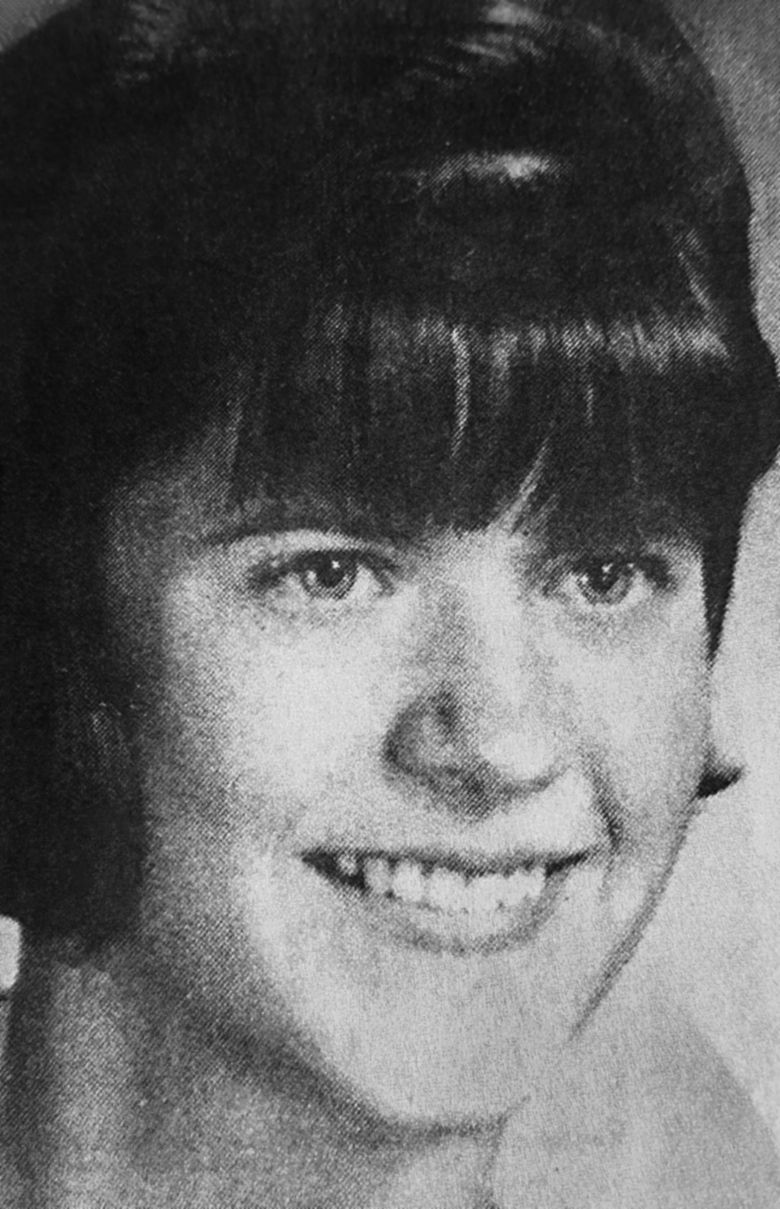
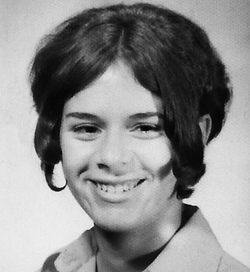
Kathleen Arita, a 38-year-old woman remembered for her bright mind and quiet nature, was building a stable life for herself in Renton, Washington. She worked as a computer operator for the Boeing Company, a significant employer in the Seattle area, and was a homeowner. Friends from her time at Central Washington University, where she appeared in the 1968 Hyakem yearbook as a freshman from Moses Lake, would recall her presence on campus. In the spring of 1984, Kathleen’s promising life was stolen in a crime that has remained unsolved for decades, leaving a void in the lives of those who knew her and a lingering question for investigators.
The last time Kathleen was seen alive was when she was leaving her Renton home. The specific date of her disappearance is unclear, but the tragic end to the search for her came on Wednesday, May 9, 1984. Her body was discovered in a wooded area near Star Lake, off South 272nd Way in what is now the city of Kent.
The location was a quiet, undeveloped spot, a place where a terrible secret could be hidden. An autopsy performed by the King County Medical Examiner’s Office soon confirmed the grim reality: Kathleen Arita had been strangled to death.
The King County Sheriff's Office launched a homicide investigation, but the case proved difficult from the start. In the mid-1980s, the Seattle-King County region was gripped by fear due to the Green River Killer, who targeted vulnerable young women. While Kathleen’s murder occurred during the timeframe of Gary Ridgway’s killings, her profile did not fit the pattern of his known victims. Investigators had few public leads to follow, and the trail quickly went cold. Her death was one of many unsolved homicides in the area during that era, a period when forensic technology, particularly DNA analysis, was not yet the powerful tool it would become.
For years, Kathleen’s case file sat among dozens of others, waiting for a breakthrough. In a November 1991 article, The Seattle Times listed her name among 40 unsolved murders that had occurred in King, Snohomish, and Pierce counties since 1984, the year authorities believed the Green River Killer had ceased his activities. The list highlighted the sheer number of violent deaths that remained without resolution, a painful catalog for the families left behind. Kathleen was noted as a Boeing computer operator from Renton, found near Star Lake, a victim of strangulation.
Decades have passed without an arrest, but law enforcement has not forgotten Kathleen Arita. Her homicide is now considered a cold case, managed by the King County Sheriff's Office Cold Case Squad. Detectives hope that with the passage of time, someone with crucial information may finally feel safe enough to come forward. Allegiances change, and a person who was once afraid to speak may now be able to provide the missing piece of the puzzle that could lead to the killer’s identity. Investigators also look to advancements in forensic science, hoping that evidence collected from the scene in 1984 might yet yield a DNA profile that can be matched to a suspect.
As of the early 2020s, Kathleen’s murder remains an open and active investigation. There is no public information about any specific persons of interest, but the case is periodically reviewed. The King County Sheriff's Office continues to seek information from the public, believing that someone, somewhere, knows what happened to Kathleen after she left her home that spring day. They urge anyone with even the smallest detail to come forward, to help bring a measure of justice for Kathleen and a long-awaited answer to the community that has wondered about her fate for nearly four decades.