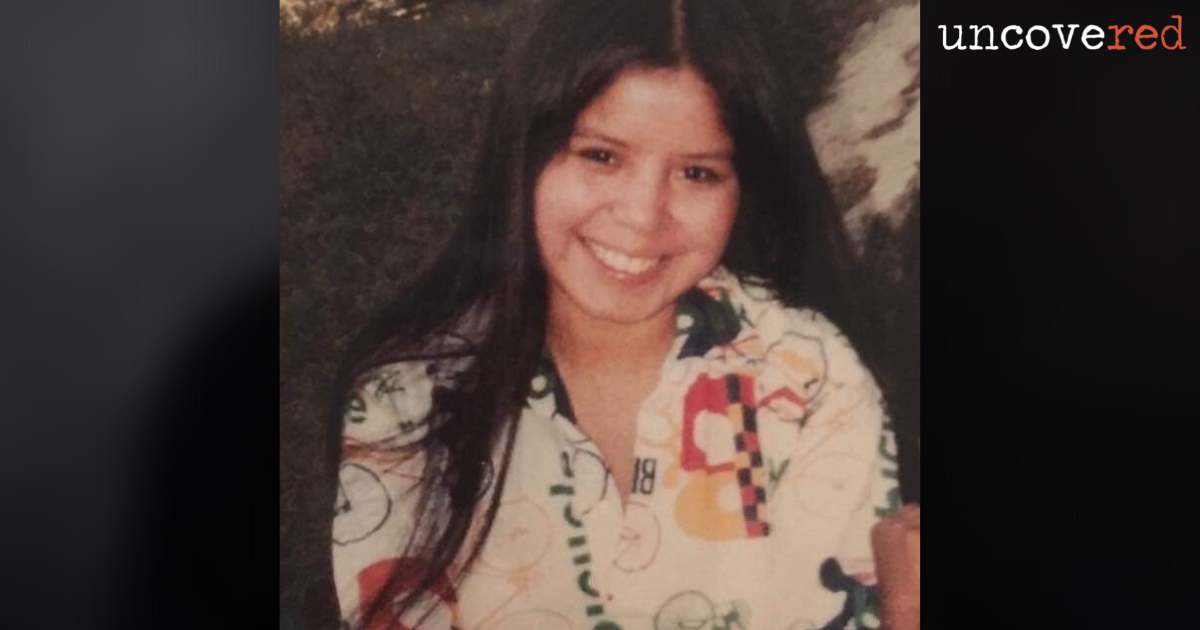
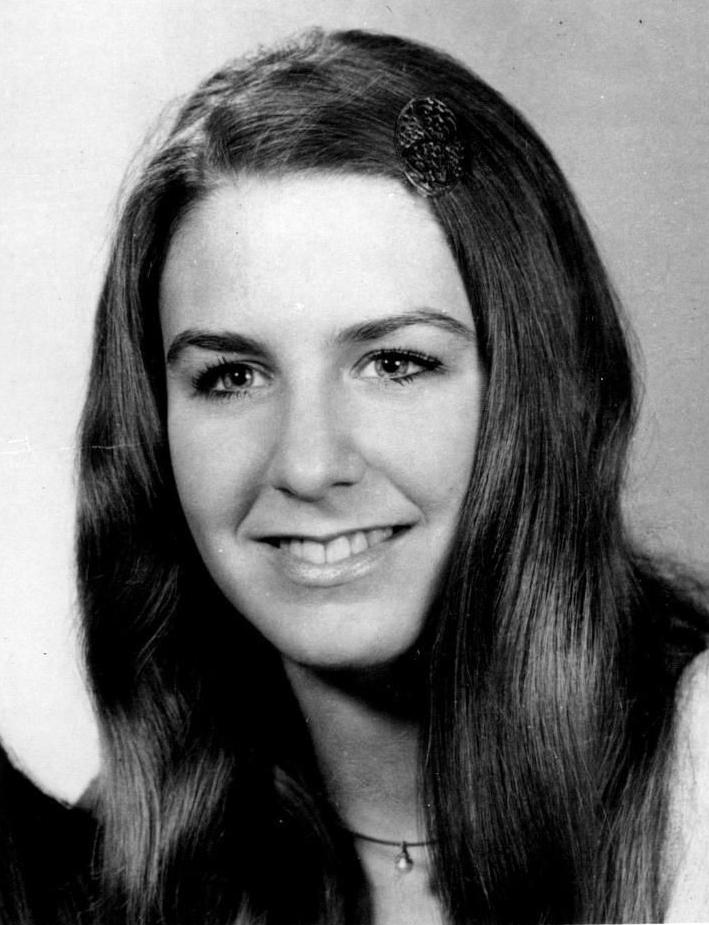
On a summer day in Seattle, the placid waters of Lake Washington held a grim secret. On August 20, 1984, the body of a young woman was discovered in the lake near the bathhouse at 800 Lake Washington Boulevard. She was identified as Rose Ann Black, a 25-year-old female student who had been attending the Seattle Vocational School. An autopsy would later reveal the violent nature of her death: her throat had been slashed.
The discovery sent a chill through the city, which was already on edge. The 1980s in the Seattle area were a time of fear, largely due to the Green River Killer, who preyed on young women. Rose’s murder occurred in the same year that officials believe the notorious serial killer ceased his activities.
Her case, along with dozens of others involving women who were killed in a similar timeframe and manner, was later examined for potential connections, though none were publicly established.
The Seattle Police Department handled the initial investigation into Rose’s homicide. Detectives worked the case, but leads were scarce, and the trail eventually went cold. The area where her body was found, a popular boulevard along the lake, would have seen significant traffic, yet no witnesses came forward with information that could lead to an arrest. The case remained open but inactive for years, a painful question mark for those who knew and loved Rose.
In November 1991, The Seattle Times published a comprehensive report on 40 unsolved murders that had occurred in King, Snohomish, and Pierce counties since 1984. The list was a somber catalog of lives cut short, many of them young women whose cases bore resemblances to the victims of the Green River Killer. Rose Ann Black’s name was on that list, her brief case summary a stark reminder of the violence she suffered and the justice that had not yet been served. The inclusion highlighted her death as one of many that continued to haunt the region and its law enforcement agencies.
Decades have passed since Rose Ann Black was killed, and the world has changed dramatically. The Seattle Vocational School she attended is now part of Seattle Central College. The boulevard where she was found remains a scenic fixture of the city. Yet, for Rose, time stopped on that August day. Information about her family, her interests, and her aspirations has faded from the public record, but the violent end to her life remains an unsolved chapter in Seattle's history.
The investigation into the murder of Rose Ann Black is now considered a cold case. As of the early 1990s, her homicide remained one of dozens of unsolved killings of women in the Puget Sound area from that era. These cases are periodically reviewed by cold case detectives in the hope that new forensic technologies, such as advanced DNA testing, or a witness finally coming forward, might provide the breakthrough needed to identify her killer. The Seattle Police Department continues to hold the file on her case, waiting for the one piece of information that could bring a resolution after so many years of silence.