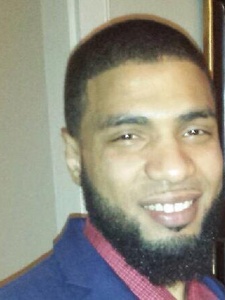
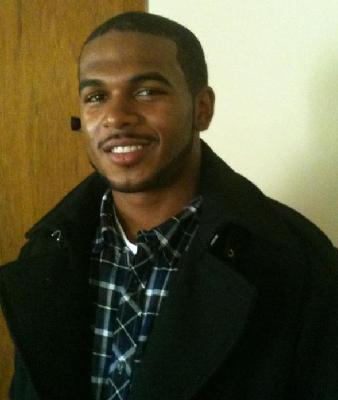
On a summer night at the end of August 2004, the life of an 18-year-old male named Tyrone A. Britton was cut short by gunfire in Boston’s historic Roxbury neighborhood. The story of his death is one of the city’s many unsolved homicides, a case where the official record provides only the sparest of details, leaving a family without answers and a community with the lingering pain of a life lost to violence. For more than two decades, the file on who killed Tyrone Britton and why has remained open and inactive, a testament to the challenges of solving street crimes and the enduring grief that follows.
The known facts of the case are brief and stark. On Saturday, August 28, 2004, officers from the Boston Police Department were dispatched to 51 St. James Street in Roxbury following a report of a person shot. Upon arrival, they discovered Tyrone Britton suffering from fatal injuries. He was pronounced deceased at the scene.
The Office of the Chief Medical Examiner later conducted an autopsy and officially ruled the manner of death to be a homicide. Beyond these procedural details, public information about what happened that night ceases. There were no immediate arrests, and in the years since, no suspects have been publicly named.
The investigation into Tyrone Britton’s murder was handled by the Boston Police Department’s Homicide Unit. In any homicide investigation, detectives are tasked with the meticulous work of processing the crime scene, interviewing potential witnesses, and exploring the victim’s background for possible motives. This work is often complicated by a lack of witness cooperation, a common hurdle in neighborhoods where trust in law enforcement can be low or fear of retaliation is high. Cases like Tyrone’s that do not yield an arrest eventually become cold cases, periodically reviewed by detectives for new leads that might be generated by fresh tips or advances in forensic technology.
The Roxbury neighborhood where Tyrone was killed has a deep and complex history. St. James Street itself was once home to a prominent 19th-century Episcopal church and is situated in a community that has seen significant demographic and social change. By the early 2000s, like other parts of Boston, Roxbury was grappling with the persistent issue of gun violence, which disproportionately affected its young, Black residents. The year 2004 fell within a period where Boston was working to maintain the gains of the "Boston Miracle" of the 1990s, which had seen a dramatic drop in youth homicides, but the threat of violence remained a part of daily life for many.
Without personal accounts from family or friends, details about who Tyrone Britton was as a person are lost to the public record. There is no accessible obituary or memorial page to tell of his aspirations, his interests, or the people who loved him. He is remembered officially only as a victim of homicide, one of dozens of unsolved killings from that year listed on the Boston Police Department’s website. This lack of a public narrative is its own form of tragedy, reducing a young life to a case number and a street address.
As of late 2026, Tyrone Britton's case is still officially classified as an unsolved homicide. The Boston Police Department continues to list him on its roster of cold cases, a silent appeal for information that might one day bring a measure of justice. The department emphasizes that its greatest resource in solving homicides is information from the community. Years, and even decades, after a crime, a witness may finally feel safe coming forward, or a small, seemingly insignificant detail could prove to be the missing piece of the puzzle.
The Boston Police Department urges anyone with information regarding the death of Tyrone A. Britton to contact the Homicide Unit at (617) 343-4470. For those who wish to remain anonymous, tips can be submitted through the Crime Stoppers Text-A-Tip Program or by calling the Crime Stoppers Hotline at 1-800-494-TIPS. His family has waited many years for answers, and the chance for justice depends on someone breaking the silence.