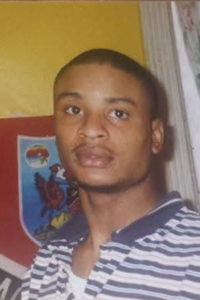
Just after the new year began, the life of 18-year-old Todd Williams, a young male on the cusp of adulthood, was stolen by gunfire in Boston. His future was extinguished on a street corner in the city’s Dorchester neighborhood, leaving his family and community with questions that have echoed for more than two decades. Public records do not offer a glimpse into Todd's personal life—his family, his passions, his work or schooling, or the dreams he held for his future. This silence leaves only the stark, tragic circumstances of his death to represent a life that had only just begun.
The night of Friday, January 2, 2004, was cold and dark in Boston. At the intersection of Hopestill Street and Southern Avenue, a residential area in Dorchester, violence shattered the evening peace. Boston Police Department officers were dispatched to the scene following a report of a person shot. Upon arrival, they discovered Todd Williams suffering from gunshot wounds.
First responders pronounced him deceased at the scene. His death marked the first homicide of the new year in the city, a grim milestone that set a somber tone for the community.
The Boston Police Department's Homicide Unit immediately took charge of the case. Detectives began the painstaking work of processing the crime scene, searching for physical evidence, and canvassing the neighborhood for anyone who might have seen or heard something. An autopsy was conducted by the Office of the Chief Medical Examiner, which officially determined the manner of death to be homicide, confirming that Todd had been intentionally killed. Investigators have not publicly released specific details about his injuries, the type of firearm used, or whether any evidence was recovered from the corner where he was found.
In the days and weeks that followed, detectives pursued leads, but the case failed to gain traction. No suspects were publicly identified, and no motive for the shooting was ever established. Without witnesses coming forward with crucial information, the investigation eventually slowed. Over the years, the case has remained open but has grown cold, one of many unsolved homicides from 2004 that still weigh on the city and its police force. These cold cases are periodically reviewed for new leads, especially with advancements in forensic technology, but a breakthrough often depends on someone deciding to break their silence.
For Todd's family, the years have passed, but the pain and uncertainty remain. The lack of resolution means that those responsible for his death have never been held accountable. The case represents a profound and lingering loss, a story without an ending. Anniversaries come and go, each one a painful reminder of a life cut short and a quest for justice that is not yet over. The community where Todd was killed has also changed over the two decades since, but the memory of the violence that occurred there persists for those who remember.
As of 2024, Todd Williams's murder remains an active and unsolved investigation. His name is listed on the Boston Police Department's website, a memorial to a young life and a public appeal for information. Investigators believe that even after all this time, someone in the community may hold the key to unlocking the case. They emphasize that no detail is too small or insignificant and that allegiances and relationships can change over time, making it possible for someone to come forward now, even if they were unable to do so before.
The Boston Police Department continues to urge anyone with information regarding the death of Todd Williams to contact the Homicide Unit directly at (617) 343-4470. For those who wish to provide information anonymously, tips can be submitted through the Crime Stoppers Text-A-Tip Program or by calling the Crime Stoppers Hotline at 1-800-494-TIPS.