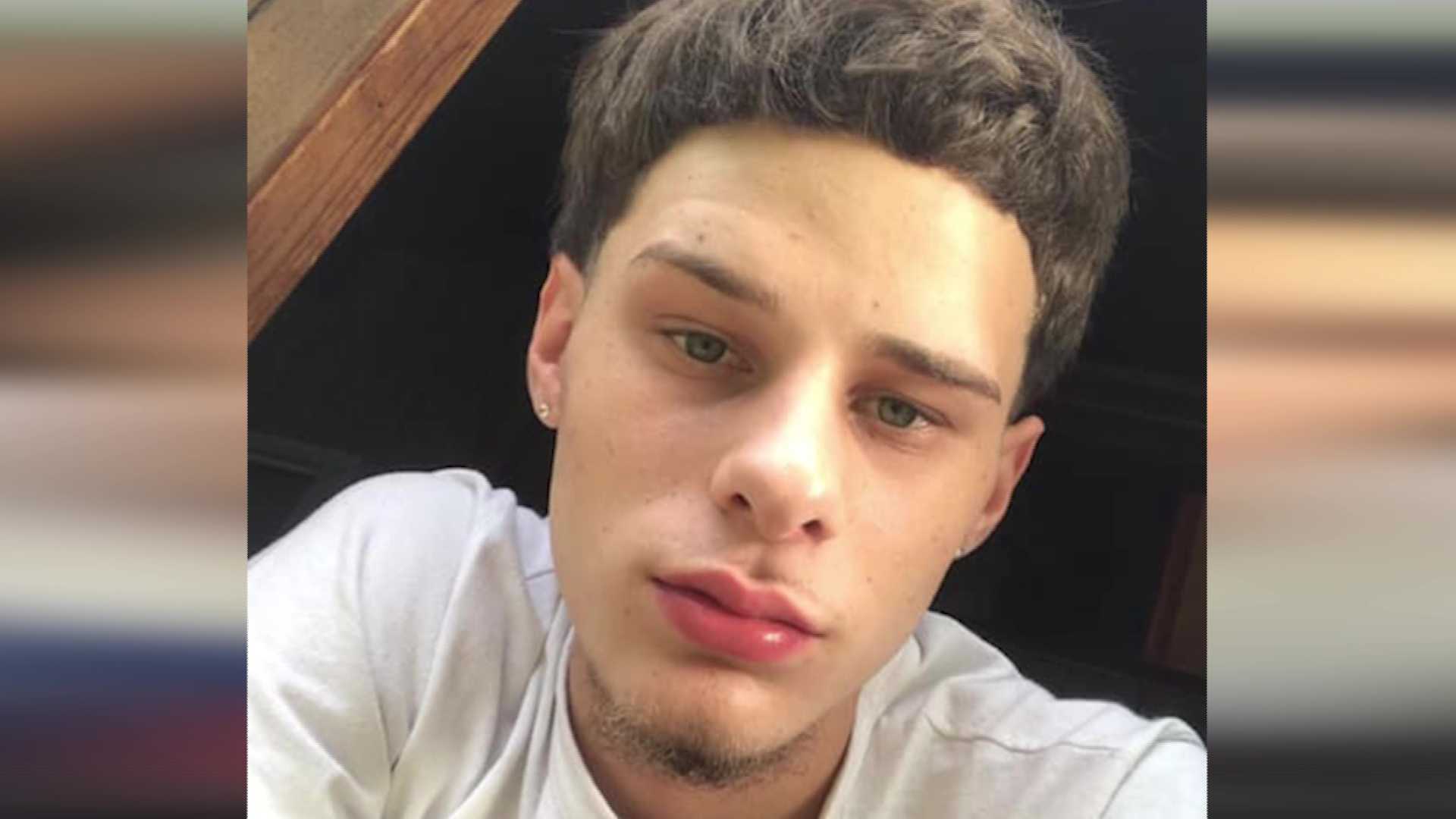
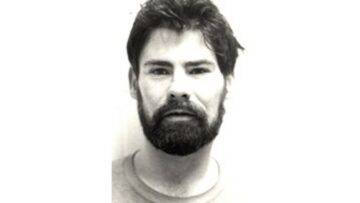
In the spring of 1966, the city of Worcester, Massachusetts, was a community built on industry, a place of bustling factories and established neighborhoods. But on Monday, April 11, 1966, a grim discovery was made within the peaceful grounds of one of the city’s oldest final resting places. In St. John's Cemetery, the body of Theodore Clayton was found. The 31-year-old man, a male resident of the area, had been shot in the head. His life was ended by a violent act that has remained a mystery for decades.
St. John's Cemetery, located on Cambridge Street, is one of the largest and most historic Catholic cemeteries in the region. Established in the 19th century, its sprawling grounds are the resting place for generations of Worcester residents, a quiet landscape of rolling hills, mature trees, and weathered monuments. It is a place of remembrance and history, housing the graves of soldiers from numerous conflicts and families who built the city.
For a homicide to occur in such a serene and sacred space was a profound violation, leaving a lasting scar on the community's sense of peace and security. The discovery of Theodore Clayton’s body there posed immediate and troubling questions for investigators about how and why he came to be in that location on that fateful day.
The investigation into the murder of Theodore Clayton was launched by the Worcester Police Department. In 1966, forensic science was a world away from the technology available to detectives today. Investigators would have relied on traditional methods: canvassing the area for witnesses, searching for the murder weapon, and meticulously examining the scene for physical clues like shell casings or footprints. They would have delved into Theodore’s life, seeking to understand his routines, his relationships, and any potential conflicts that might have led to his death. Who was he meeting? Was he brought to the cemetery against his will, or did he go there to meet his killer?
Despite the efforts of the initial investigators, the case yielded no answers. No arrests were ever made, and as days turned into weeks and then years, the file on Theodore Clayton’s murder grew cold. The public record contains no information about persons of interest, potential motives, or any significant leads that were pursued. For a case to remain so devoid of public information suggests the killer was either incredibly careful, a complete stranger to the victim, or that potential witnesses were either nonexistent or unwilling to come forward. The silence surrounding the investigation is a heavy one, leaving only the stark facts of a man killed in his prime.
Over the decades, the city of Worcester has changed, but the police department’s commitment to finding justice for victims has not wavered. Theodore Clayton’s case is now classified as an unsolved homicide and remains under the purview of the Worcester Police Department's Unresolved Homicide Unit. This dedicated group of investigators is tasked with periodically reviewing cold cases, hoping that new technology or a witness with a long-held secret might finally provide a breakthrough. Advances in DNA analysis and digital forensics have solved cases even older than this one, offering a glimmer of hope that a forgotten piece of evidence could one day point to the person responsible.
The passage of more than half a century has done little to diminish the fundamental questions that haunt this case. Who was Theodore Clayton? What was his life like, who were his friends and family, and who mourns his loss? The lack of publicly available information about him as a person makes his death all the more poignant—a name and an age connected to a violent end, but with the story of his life left untold. His case remains a quiet but persistent mystery in the city's history. As of January 2022, the investigation is ongoing.
The Worcester Police Department continues to ask for the public’s help in solving this and other unresolved cases. They stress that it is never too late for someone to come forward, as relationships change and the burden of knowledge can grow heavy over time. Anyone with information about the murder of Theodore Clayton is encouraged to contact the Worcester Police Department's Unresolved Homicide Unit at 508-799-8688. Anonymous tips can also be sent by texting TIPWPD and a message to 274637, or submitted online through the department's website.