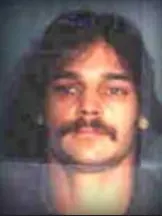
On a spring evening in Salt Lake City, Utah, a 43-year-old man named Carlos Lopez Perez was relaxing in Pioneer Park. It was Saturday, May 17, 2003, and Carlos was lying on the grass, talking with a female acquaintance. The park, a ten-acre urban green space located in the city's downtown warehouse district, has long been a central gathering place, known for its farmers market, concerts, and as a social hub for a diverse cross-section of the city's population. On that day, however, the park became the scene of a sudden and brutal act of violence that would leave a man dead and his case unsolved for decades.
Without warning, three unidentified men approached Carlos and his companion. In a swift and violent encounter, one or more of the men stabbed Carlos in the back. The attack was quick, and the assailants fled the scene, leaving their victim critically injured on the park grounds. Emergency services were called, but the wound proved fatal.
The motive for the attack and the identities of the three men remain unknown. Police have not publicly released a detailed description of the suspects or commented on what, if anything, was said during the brief, deadly confrontation. The female acquaintance who was with Carlos was a key witness, but what she was able to tell investigators has never been shared with the public.
The Salt Lake City Police Department immediately launched a homicide investigation into the death of Carlos Lopez Perez. Detectives processed the scene in Pioneer Park, searching for physical evidence and seeking out anyone who might have witnessed the attack or the men fleeing the area. Despite their efforts, the investigation failed to yield any arrests, and with no new leads, the case eventually went cold. The file on Carlos’s murder, however, was never closed. It remains an active and open investigation, one of hundreds of such cases in the state of Utah that authorities hope to solve with the passage of time and new information.
The case is now listed on the Salt Lake City Police Department's roster of cold case homicides. In recent years, the state of Utah has made a concerted effort to bring fresh eyes to these unsolved cases. A 2018 law required all law enforcement agencies in the state to enter their cold cases, defined as those unsolved for at least three years, into a centralized database managed by the Utah Department of Public Safety. This initiative aims to facilitate information sharing between agencies and utilize modern forensic technology that may not have been available at the time of the original investigations. The goal is to bring a measure of justice to victims and their families, no matter how much time has passed.
More than two decades after his death, the murder of Carlos Lopez Perez remains a painful and unanswered question for his loved ones and the community. The few facts that are publicly known paint a stark picture of a seemingly random and senseless act of violence. There is no public record of memorials or family statements, leaving much of Carlos's personal story and the full impact of his loss untold.
The investigation into the homicide of Carlos Lopez Perez is ongoing. His case is a reminder of the many unsolved murders that leave families waiting for answers. The Salt Lake City Police Department continues to seek information that could lead to the identification and arrest of the three men responsible for the attack in Pioneer Park on that May evening in 2003.