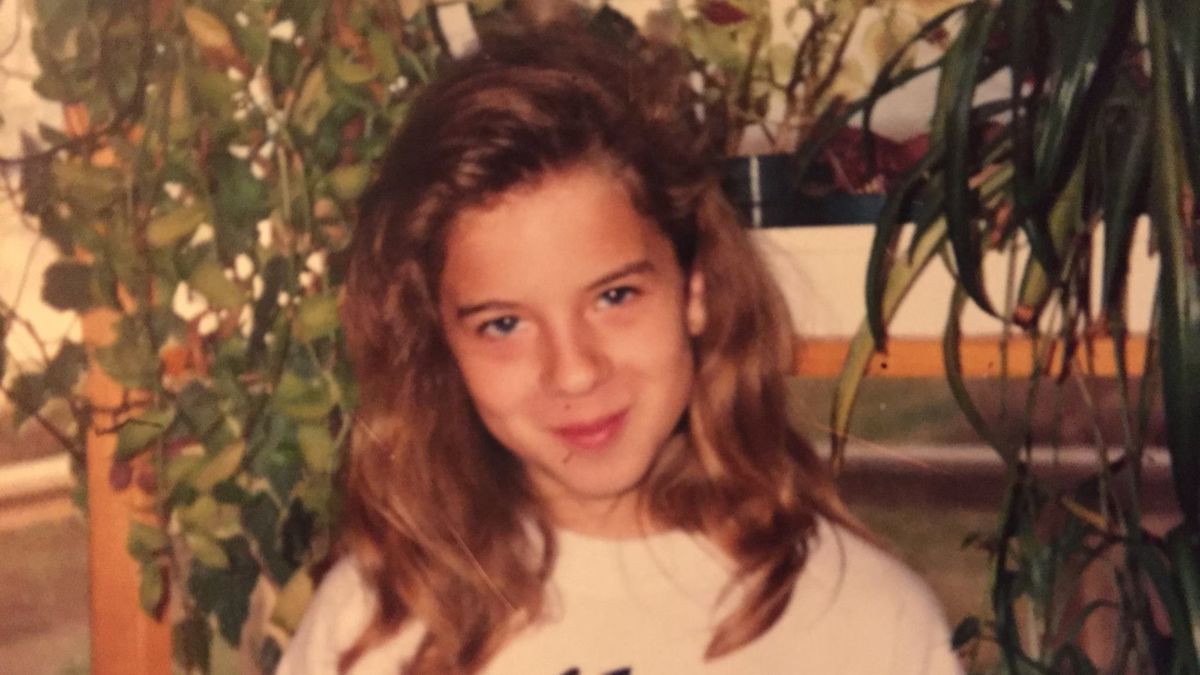
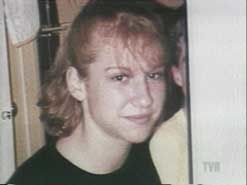
In the early spring of 1990, Lorraine Keogh was a 35-year-old mother to her son, David. She was the daughter of Marjorie and Kenneth Keogh and grew up with her sister, Diane, and brother, Kenny. Her life, and that of her companion, John William Kennedy Ferguson, came to a brutal and mysterious end, leaving their families heartbroken and searching for answers for more than three decades. John, 33, was one of six children born to Rhonda and Leo Ferguson and was a beloved uncle to his nieces and nephews.
The final day of their lives, April 2, 1990, began with a departure from a residence in the Montreal neighbourhood of Verdun around 5:30 p.m. They told others they were on their way to a party at the home of John's brother. However, their path took a different turn. The couple instead made their way to St-Jacques Street in Montreal, where they rented a room at the Colibri Motel and later visited O'Leary's Bar. When she was last seen, Lorraine was wearing a black leather coat, a black t-shirt with "Vancouver" written on it, blue jeans, and high black suede boots. John wore a black leather jacket, a t-shirt, black jeans, and running shoes.
In the pre-dawn hours of the next day, April 3, at approximately 3:30 a.m., a Quebec Transport Department inspector made a gruesome discovery on the shoulder of Highway 13 in Laval, a suburb north of Montreal. The bodies of Lorraine Keogh and John Ferguson had been left by the roadside. Both had been shot in the head in what was clearly a double homicide. The manner in which they were found suggested a cold and calculated execution. John’s hands and feet were bound, and his body was wrapped in a sheet. Lorraine’s body had been covered with green plastic garbage bags.
The investigation was taken over by the Sûreté du Québec, the provincial police force. Investigators learned that while Lorraine had no criminal record, John was known to police and had a criminal history. This led authorities to consider that the murders could be a "règlement de comptes," or a settling of scores, a theory that was reported in the French-language press at the time. The year 1990 was part of a period of rising tension in Montreal's criminal underworld, which would erupt into the notorious Quebec Biker War a few years later. However, no definitive link between this double murder and any specific organized crime conflict has ever been publicly established by authorities.
In the weeks following the murders, the Keogh and Ferguson families published obituaries and later placed a Card of Thanks in *The Gazette*, expressing their gratitude to friends, relatives, and the public for the kindness shown to them during their time of immense grief. But as the years passed, the trail grew cold. There were no arrests, and details from the police about any potential suspects or leads became scarce. The case of Lorraine Keogh and John Ferguson joined the list of Quebec's unsolved homicides.
As of May 2026, the double homicide remains an open and active cold case with the Sûreté du Québec. The fundamental questions of who killed Lorraine and John, and why they were disposed of so callously on a public highway, are still unanswered. The police continue to seek public assistance, hoping that someone, somewhere, holds the piece of information that could finally bring justice to the Keogh and Ferguson families after so many years of waiting. Anyone with information is urged to contact the Sûreté du Québec's Centrale de l’information criminelle at 1-800-659-4264.