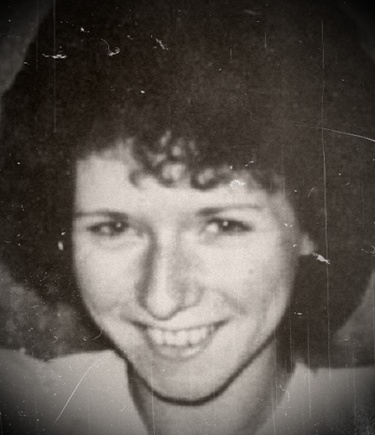
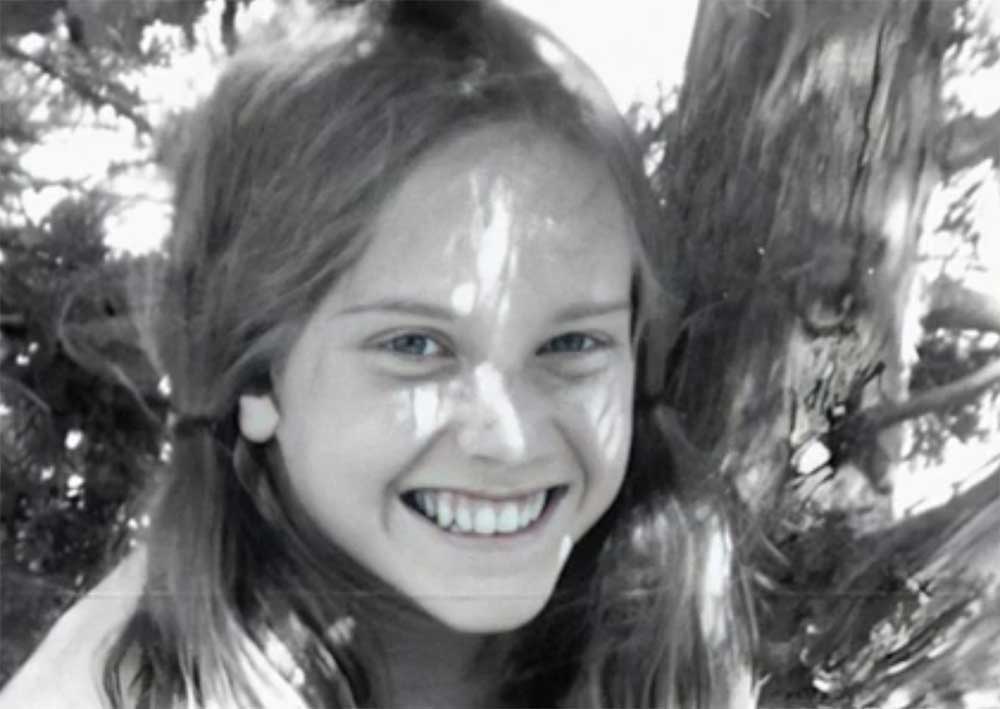
The quiet, tree-lined streets of Lincoln, a suburban community on the west bank of the Saint John River in New Brunswick, were home to John and Isabelle Felsing. John, 48, was born in Ohio and worked for Public Safety. Isabelle, a woman in her 40s with family in Saskatchewan and British Columbia, had spent much of her life caring for her ailing parents in Fredericton. Her father had been a Professor of Music and the head organist at Christ Church Cathedral. After her parents passed away, she found love later in life with John. They had known each other for 14 years but had been married for only a few months, living together in her family home at 679 Churchill Row.
On the evening of Tuesday, October 19, 1965, the newlyweds were taking one of their frequent walks with their dog, Heather. They strolled along Oromocto Flats Road, a dead-end road in Lincoln that ran near the riverbank. It was hunting season, and other people were known to be in the woods that day. As dusk settled, a single, catastrophic blast from a 12-gauge shotgun shattered the peace. The #4 shot struck both John and Isabelle simultaneously, killing them. The shooter had been positioned between the couple and the river, only 50 to 70 feet away. Both victims were hit on their left sides. Their dog was found at the scene, physically unharmed.
The double fatality stunned the small community, and the Royal Canadian Mounted Police (RCMP) launched an investigation that would soon become one of the province's most baffling cold cases. The central question that has plagued investigators for decades is whether the shooting was a tragic hunting accident or a deliberate, double homicide. The fact that a single shot killed two people at once was described as a bizarre occurrence. Over the years, police interviewed numerous suspects, but no new leads emerged from their inquiries.
In the absence of answers, theories and questions have filled the void. Isabelle’s family in Saskatchewan always believed foul play was involved. According to a woman identifying herself as Isabelle's niece, her father—Isabelle's only sibling—was devastated. The family's grief was compounded by conflict after the deaths. Because an autopsy determined Isabelle likely died instantly and John a short time later, their shared estate, including the family home on Churchill Row, passed to John’s sister, who reportedly showed little sympathy for Isabelle's grieving brother. This created lasting suspicion among Isabelle's relatives.
Other theories pointed to John’s work. One rumor that circulated years later suggested he was about to expose misconduct at the Kingsclear Youth Training Centre, a nearby institution that would later become notorious for cases of severe child abuse. Another theory, held by some close to the case, was that Isabelle was the intended target and John was simply in the wrong place at the wrong time. It was suggested that their dog, Heather, would not have allowed a stranger to get so close, implying the shooter may have been someone known to the couple.
Decades have passed, but the deaths of John and Isabelle Felsing remain an open investigation for the New Brunswick RCMP. The case, suspended between the possibility of a terrible accident and a calculated murder, has never been solved. As of late 2026, no arrests have ever been made, and the identity of the person who fired the fatal shot remains a secret held for more than half a century. The file is a haunting reminder of a newly married couple whose life together was cut tragically short on a quiet country road.