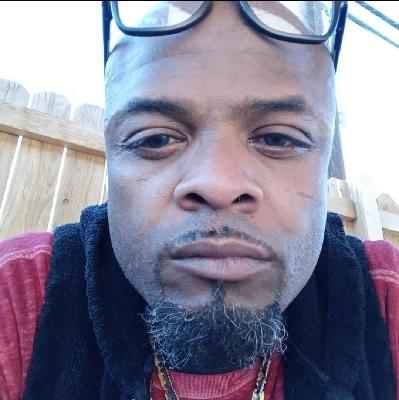
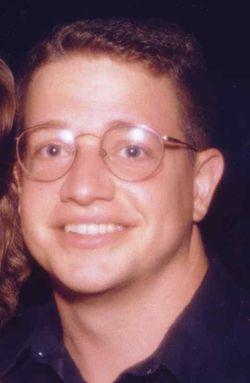
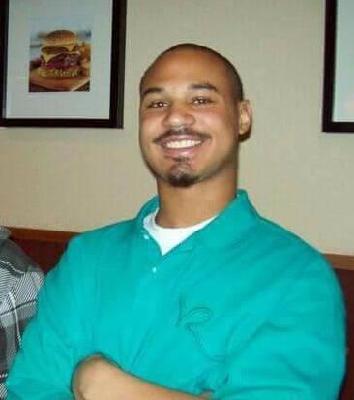
On May 1, 2022, boaters near Hemenway Harbor at Lake Mead made a grim discovery. Due to the reservoir's historically low water levels, a rusted barrel had become exposed on the shoreline. Inside were the remains of a man who had been shot in the head. For more than four years, his identity was a mystery, sparking widespread speculation about Las Vegas's notorious, mob-run past. In October 2026, authorities finally gave him a name: Edward Lelburian Jackson, a male originally from Hot Springs, Arkansas.
Known to his loved ones as "Buddy," Jackson was remembered by his family as someone who liked to travel the country. He had lived in California with his wife in the early 1970s and was last seen by relatives in Arkansas sometime in the early 1980s. Because he would often appear to say hello and then move on, his family never reported him missing, assuming he was simply out on the road again. Investigators determined he was in his mid- to late 50s at the time of his death. It remains unclear what brought him to the Las Vegas area.
The investigation into the "body in the barrel" case fell to the Las Vegas Metropolitan Police Department's homicide unit. The victim’s clothing—a button-down short-sleeve shirt, light blue jeans, and blue-and-white tennis shoes—led detectives to estimate he was killed sometime in the early 1980s. The method of his murder and disposal immediately brought to mind the city's mob era, a period from the 1940s to the mid-1980s when organized crime syndicates controlled much of the casino industry. While experts noted the killing had all the "earmarks of a mob hit," police have stated there is no confirmed evidence directly linking Jackson's death to organized crime, though they have not ruled out the possibility.
The breakthrough in the case came through forensic investigative genetic genealogy. After years of work, a bone sample was sent for advanced DNA profiling. With the help of the School of Forensic Sciences at Oklahoma State University, investigators were able to build a genealogical profile, which ultimately led them to Jackson's relatives. A DNA sample from a family member confirmed the identification. Police also learned that Jackson had a brief criminal history in Salt Lake City, Utah, in the early 1980s, which included charges of aggravated arson and conspiracy to commit fraud.
Following the identification in October 2026, Clark County and Las Vegas police officials held a press conference confirming that the decades-old homicide investigation was still very much active. "It's an unsolved case. It will never be closed until we solve it," said LVMPD Homicide Lieutenant Robert Price, describing the identification as a critical "piece of the puzzle." Authorities are now focused on piecing together Jackson's final movements and understanding who he associated with in the years and months before his death.
To encourage new leads, two retired law enforcement officers, David Kohlmeier ("The Problem Solver") and Danny Minor ("The Crime Solver"), have doubled a previously offered reward. They are now offering $10,000 for information that leads to the arrest and conviction of the person or persons responsible for Edward "Buddy" Jackson's murder. They hope the reward will motivate someone to come forward with details that could finally solve the four-decade-old mystery.
As of October 2026, the murder of Edward Lelburian Jackson remains an open and unsolved homicide. The Las Vegas Metropolitan Police Department continues to seek information from the public about his life and his death. Anyone with information is encouraged to submit a tip through TheCrimeSolver.com or by calling 1-833-TIPSCASH (1-833-847-7227).