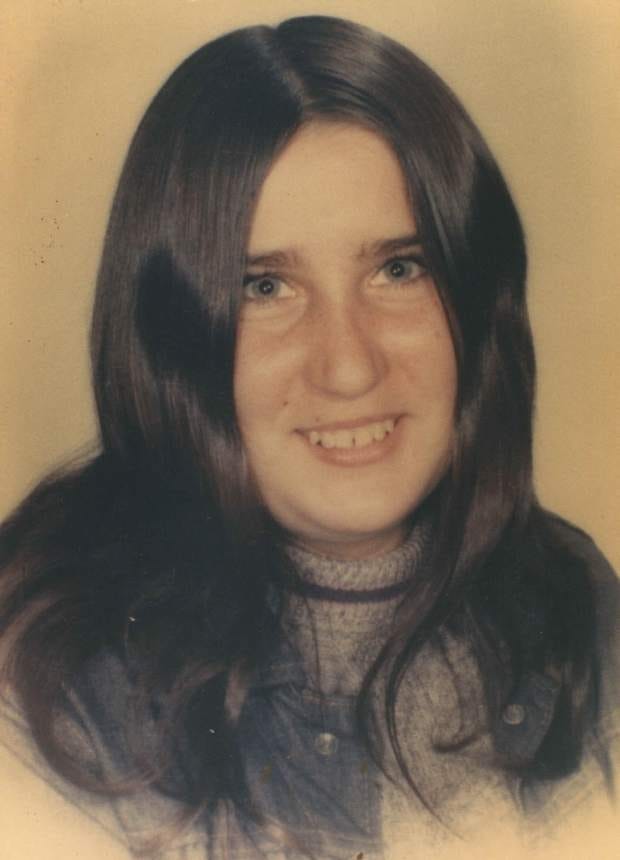
On a sweltering summer morning in Fall River, Massachusetts, the quiet of 92 Second Street was shattered by a crime of unimaginable brutality. On August 4, 1892, Abby Durfee Gray Borden, a 64-year-old woman, was found bludgeoned to death in an upstairs guest room of the home she shared with her husband, Andrew, and his two adult daughters. The shocking violence of her death, followed by the murder of her husband downstairs a short time later, would become one of America's most enduring and debated unsolved mysteries.
Abby had married the widowed Andrew Borden, a wealthy and notoriously frugal property developer, three years after the death of his first wife. She became stepmother to his daughters, Emma and Lizzie. By all accounts, the household was a tense one. Lizzie, then 32, reportedly called her stepmother "Mrs. Borden" and harbored resentment over her father's financial gifts to Abby's family. The family lived in a modest home without indoor plumbing, despite Andrew's considerable wealth, in a part of town that was becoming more industrial. Just before the murders, the entire household had been struck by a mysterious illness, leading Abby to fear they were being poisoned.
On that fateful Thursday morning, Abby was upstairs making the bed in the guest room where her brother-in-law, John Morse, had stayed the night before. It was there that an assailant attacked her from behind, striking her repeatedly in the head with a hatchet-like weapon. An autopsy would later count 18 or 19 distinct blows, leaving her face down on the floor. Her body was discovered about a half-hour after her husband, Andrew, was found murdered downstairs on a sitting-room sofa. Investigators determined Abby had been killed first, perhaps by as much as an hour and a half.
The investigation, led by Fall River police, quickly focused on the two people known to be on the property during the timeframe of the murders: the family's 25-year-old maid, Bridget Sullivan, and Lizzie Borden. Lizzie's older sister, Emma, was out of town. Lizzie's inconsistent and contradictory statements during the inquest raised immediate suspicion. She claimed to have been in the barn at the time of her father's murder and said she did not hear the attack on her stepmother, despite being on the first floor directly below the guest room. Days after the murders, a friend of Lizzie's testified that she witnessed Lizzie burning a dress in the kitchen stove, claiming it had been stained with paint.
Lizzie Borden was arrested and indicted for the murders of her father and stepmother. Her trial in June 1893 was a national media sensation, drawing reporters from across the country. The prosecution presented a circumstantial case, arguing that Lizzie was the only person with the motive and opportunity to commit the crimes. However, the murder weapon was never definitively found, though a hatchet head discovered in the basement was believed to be the instrument. The defense portrayed Lizzie as a gentle, church-going woman of high social standing, incapable of such a savage act.
After deliberating for only a short time, the all-male jury acquitted Lizzie Borden of all charges. The verdict was met with both relief and disbelief, and it left the community of Fall River deeply divided. Lizzie, who inherited a significant portion of her father's fortune, remained in Fall River, where she was largely ostracized for the rest of her life. She died in 1927 at the age of 66.
No other person was ever charged in connection with the brutal slayings of Abby and Andrew Borden. The case has been the subject of countless books, films, and theories, with speculation pointing to various other suspects over the years, but none have ever been substantiated. As of October 2026, more than 130 years after Abby Borden’s life was violently taken, her murder, along with her husband's, remains officially unsolved, a grim and fascinating chapter in the annals of American crime.