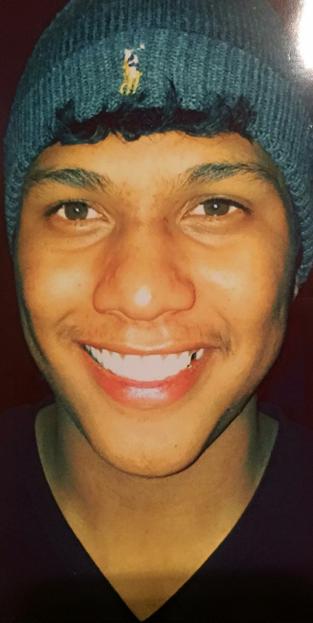
On a Thursday afternoon in central Oklahoma, a passerby made a discovery that would become a haunting and unresolved mystery. It was November 15, 1984, in Pottawatomie County, when the body of James Dillard Adams, a 41-year-old male, was found along McLoud Road, just south of Interstate 40. The scene was unsettlingly still, yet active. James was lying on the ground beside his pickup truck. The truck’s engine was still running, and its headlights cut through the afternoon air, suggesting his journey had been abruptly and violently interrupted.
Investigators who responded to the scene determined that James had not died of natural causes or in an accident. He had been shot in the head. The time of discovery was approximately 1:50 p.m., leaving a broad and uncertain window in which the fatal encounter could have occurred. The image of the running truck with its lights on created a chilling tableau—a moment frozen in time, pointing to a sudden stop and a deadly confrontation on the side of a rural road. Who he was meeting, or what led him to that particular spot, remains unknown.
The investigation into the homicide was launched by the Oklahoma State Bureau of Investigation (OSBI). In 1984, forensic science was evolving, but the challenges of investigating a crime scene with few apparent witnesses in a rural area were significant. Investigators would have meticulously processed the truck and the surrounding area for any clue left behind—fingerprints, footprints, shell casings, or any other physical evidence that could point to a suspect. They would have worked to retrace James's final hours, speaking with family, friends, and colleagues to establish a timeline and identify anyone who might have wished him harm.
Despite their efforts, the initial investigation did not lead to an arrest. As days turned into weeks, and weeks into years, the case grew cold. The trail of evidence, once fresh, became obscured by the passage of time. Memories of potential witnesses may have faded, and circumstances may have changed, making it increasingly difficult to piece together the puzzle of what happened on that November afternoon. The fundamental questions of who killed James Adams and why have lingered for decades, leaving a void for those who knew and loved him.
The area where James was found, just off a major interstate, suggests a location that was both accessible and isolated, a place where a crime could occur with a reduced chance of being witnessed. Pottawatomie County in the 1980s was a mix of rural landscapes and growing communities, a place where violent crime was not an everyday occurrence. A roadside homicide like this would have been a significant event, sparking fear and concern among local residents.
Today, the case of James Dillard Adams remains open and is featured in the cold case files of the Oklahoma State Bureau of Investigation. Advances in DNA technology and forensic science have given hope for breaks in many decades-old cases, and investigators often re-examine evidence from old homicides with these new tools. The OSBI continues to seek information from the public, believing that someone, somewhere, may hold the key piece of information that could finally bring clarity and justice. As of October 2026, no arrests have been made, and the case is an active, unsolved homicide. The OSBI urges anyone with information, no matter how insignificant it may seem, to come forward by contacting their investigators at 1-800-522-8017 or [email protected].