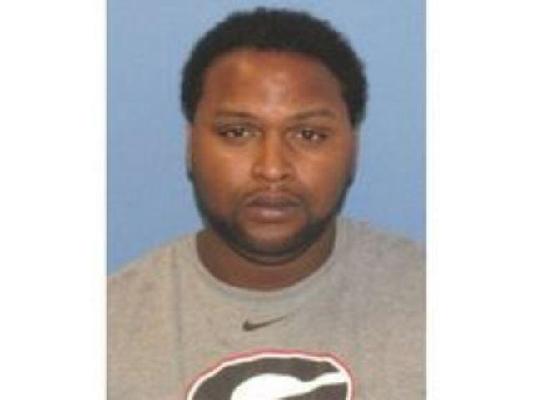
In the cold of a Cincinnati December in 1986, the city was unknowingly in the grip of a quiet terror. Within the walls of the Daniel Drake Memorial Hospital, a place of healing and recovery, a dark secret was unfolding, one that would eventually shatter the community's sense of security. It was here, on the 9th of that month, that Odas Day, a 72-year-old man, drew his final breath, not from the ailments that had brought him to the hospital, but at the hands of one who was supposed to care for him.
Odas Elmer Day Sr. was a veteran, a man who had served his country and was now in the supposed safety of a medical facility. He was the beloved husband of Vida R. Day. The reasons for his hospitalization are lost to the passage of time, but his final days were spent in an environment where a predator walked the halls, cloaked in the guise of a compassionate caregiver. That predator was Donald Harvey, a hospital orderly who would later become known as the "Angel of Death."
Harvey, a man who claimed his actions were mercy killings to end the suffering of patients, was in reality a prolific serial killer. His methods were varied and insidious, ranging from administering poison to suffocating his victims. For the patients at Daniel Drake Memorial Hospital, his presence was a silent and deadly threat. It is not publicly known which of his cruel methods he used on Odas Day, but the outcome was the same as for dozens of others who fell victim to his twisted sense of power. The day Odas died, another patient, Cleo Fish, would also lose her life to Harvey, a grim testament to the killer's relentless spree.
For months, the deaths at the hospital were not seen as the work of a murderer. The victims, often elderly or seriously ill, were not always subject to autopsies, allowing Harvey's crimes to go undetected. The quiet, unassuming orderly moved from room to room, his deadly intentions hidden behind a facade of normalcy. It wasn't until the following year that the truth began to surface, when the autopsy of another patient, John Powell, revealed the presence of cyanide. This discovery unraveled the horrifying extent of Harvey's actions.
The subsequent investigation exposed a trail of death that spanned years and multiple medical facilities. Harvey eventually confessed to numerous murders, a number that fluctuated but was officially stated to be 37, though he claimed to have killed many more. He pleaded guilty to avoid the death penalty and was sentenced to multiple life sentences. The community was left to grapple with the shocking reality that a place of healing had become a hunting ground. For the families of the victims, like the family of Odas Day, the revelation brought a horrific understanding of their loved one's final moments.
The case of Odas Day, and all of Donald Harvey's victims, serves as a chilling reminder of the vulnerability of those in care and the darkness that can hide in the most unexpected of places. Harvey himself would meet a violent end, killed by a fellow inmate in 2017. Though the killer is long gone, the story of his victims, including a 72-year-old veteran named Odas Day, remains a somber chapter in Cincinnati's history, a narrative of trust betrayed and lives stolen within the very walls meant to preserve them. The case is officially closed, but the questions and the pain for the families of those who died at the hands of the "Angel of Death" linger on.