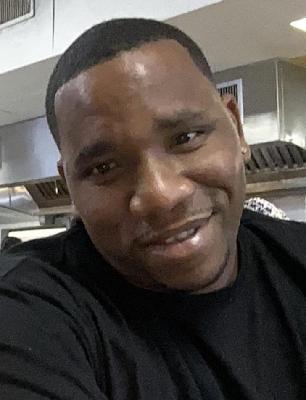
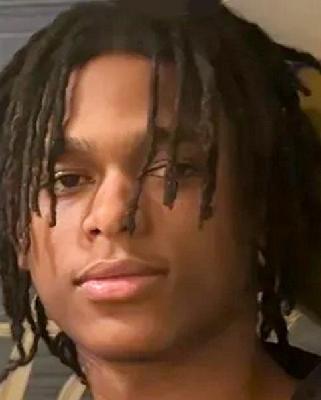
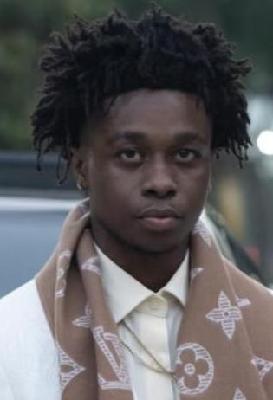
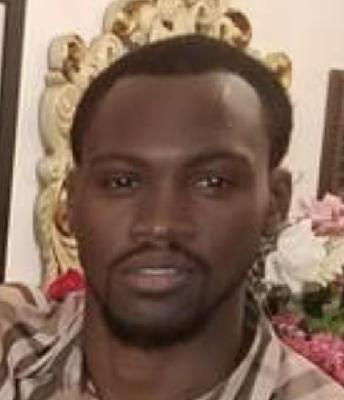
Carlos T. Rodriquez, a 40-year-old Hispanic man known within Houston’s transgender community as “Gypsy,” was a hairdresser living in a North Houston apartment she shared with roommates. Friends recalled that in the time leading up to her death, she had recently ended a relationship with a long-term boyfriend.
On the morning of September 13, 2010, Rodriquez was found dead inside her residence in the 200 block of Frawley Street. Her body was discovered in the living room, unclothed and covered with blankets. An autopsy determined that she had been strangled to death. The Houston Police Department (HPD) immediately launched a homicide investigation. The scene, which one officer described as a potential “DNA nightmare” due to the number of people who frequented the home, was carefully processed for evidence.
The investigation into Rodriquez's murder soon connected her case to a disturbing series of strangulations that had been terrorizing Houston’s most vulnerable residents throughout 2010. The victims were often homeless or, like Rodriquez, transgender women. The pattern of violence suggested a serial killer was targeting individuals on the margins of society. Other victims linked to the series included Ruben "Myra" Ical, another transgender woman, who was found in January, and several homeless women: Raquel Mundy in June, Reita Long in September, and Carol Flood in October.
A crucial breakthrough came from Rodriquez’s own digital camera. Investigators discovered a photograph of a man she had apparently met shortly before her death. Police identified the man in the photo as Lucky Ward, a 46-year-old homeless man with an extensive criminal history. When questioned, Ward admitted to knowing Rodriquez. He claimed she had taken his picture as a record because he had agreed to watch her car while she was at a club. While he admitted to meeting her, he consistently denied any involvement in her murder.
However, investigators continued to build a case against him. In November 2010, Ward was arrested and charged with the capital murder of 52-year-old Reita L. Long, a former teacher who was homeless and had been found strangled with her own bra just weeks after Rodriquez's death. Ward confessed to killing Long, attributing it to being under the influence of crack cocaine and off his medication. DNA evidence ultimately linked Ward to the scenes of multiple murders, including that of Carlos Rodriquez. In February 2011, authorities charged Ward with capital murder for Rodriquez's death as well.
The legal process was fraught with delays, and Ward spent nearly a decade in the Harris County Jail awaiting trial. His time in jail was marked by severe mental health issues and disciplinary problems. Finally, in February 2020, Lucky Ward’s capital murder trial began for the deaths of both Carlos Rodriquez and Reita Long. Prosecutors argued that Ward was a serial killer who preyed on vulnerable people “just for the joy of it.” The defense pointed to the lack of a confession in Rodriquez's case and challenged the evidence.
After deliberating for less than five hours, the jury found Lucky Ward guilty of capital murder. During the punishment phase, prosecutors presented evidence linking him to the other unsolved strangulations. On March 10, 2020, the jury sentenced Lucky Ward to death. As he was being led from the courtroom, Ward turned to a family member of Reita Long and apologized. As of early 2024, he remains on death row in Texas, appealing his conviction and sentence. The case brought a somber focus to the dangers faced by Houston's homeless and transgender communities.