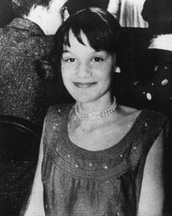
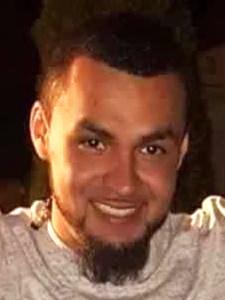
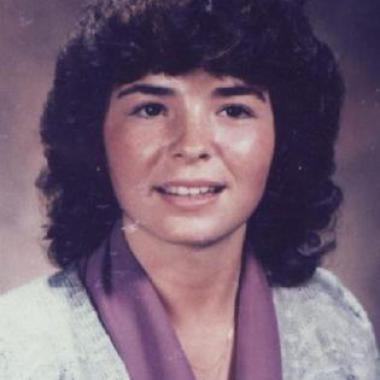
Marion Corbett was a 58-year-old pianist and composer who lived with her husband in the affluent Chicago suburb of Barrington Hills, Illinois. The community, known for its sprawling homes, horse trails, and serene atmosphere, was considered a peaceful haven far from the turmoil of the city. Marion and her husband, Paul Corbett, 67, had built a life there, enjoying the tranquility of their suburban surroundings. In the summer of 1972, their home was a gathering place for family. Marion’s sister, Dorothy Derry, 60, was visiting, as was her 22-year-old daughter, Barbara Boand. The sense of safety that defined their lives and their community was about to be irrevocably shattered in one of the most brutal crimes the region had ever witnessed.
On the afternoon of Friday, August 4, 1972, four men arrived at the Corbett residence on foot, claiming they needed directions. The men were Donald Taylor, his brother Reuben Taylor, Michael Clark, and Nathaniel Burse.
They were all young, Black Vietnam War veterans who were allegedly part of a militant group known as the "De Mau Mau," which had been linked to a string of violent, racially motivated attacks across Illinois. After gaining entry to the home, they revealed their true intentions. Armed with guns, they rounded up Marion, Paul, Barbara, and Dorothy, forcing them into a pantry. They cut the phone lines and demanded money and jewelry.
Inside the cramped pantry, the family was ordered to lie face down on the floor. The terrifying ordeal took an even darker turn when one of the family’s pet dachshunds began to bark at the intruders. In a moment of cruelty, Donald Taylor threw a knife at the small dog, injuring it. Barbara Boand cried out, telling him to leave the dog alone. In response to her protest, Reuben Taylor shot her in the chest, killing her instantly. The initial act of violence was followed by a systematic execution. Donald Taylor then shot each of the three remaining family members—Marion Corbett, Paul Corbett, and Dorothy Derry—in the head.
Later that evening, the horrific scene was discovered by Barbara's brother, Anthony Boand. He had stopped by the house simply to return a car he had borrowed. Instead, he found four members of his family murdered. The news of the "wholesale slaughter," as law enforcement described it, sent a shockwave of fear through Barrington Hills and the surrounding suburbs. The random, brutal nature of the home invasion and murders destroyed the residents' perception of safety, leading many to install new security systems and purchase firearms. The Corbett family murders became a chilling symbol of the era's social and racial tensions spilling over into a community that had felt immune to such violence.
The investigation quickly led police to the four suspects. However, before he could face trial, Nathaniel Burse was killed while being held in the Lake County jail. In 1974, the other three men were tried and convicted for the four murders. Donald Taylor and Reuben Taylor were each sentenced to 100 to 150 years in prison, while Michael Clark received a sentence of 20 to 200 years. The convictions brought a legal conclusion to the case, but the story of the perpetrators did not end there.
Donald Taylor died in prison in 1991. Decades later, the other two men became eligible for parole under Illinois' old sentencing laws. Over the objections of prosecutors and surviving family members, the Illinois Prisoner Review Board granted their release. Reuben Taylor was paroled in 2018. When asked by the board how he would respond to being called unrepentant, he reportedly said, "They don’t know me and haven’t walked in my shoes," but also added, "What can you say, other than you’re sorry?" The following year, in 2019, Michael Clark was also granted parole. The release of the two surviving murderers reopened old wounds for the community and the victims' families, concluding a dark chapter in suburban Chicago's history.