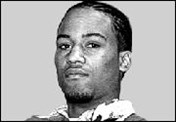
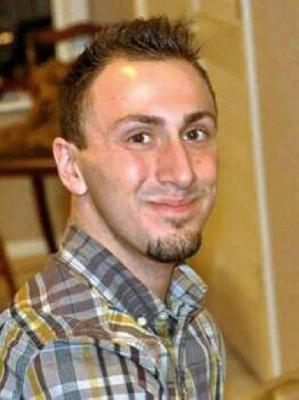
The workday was ending for Jake Green, a 69-year-old male janitor, and Mabel Manley, a 68-year-old barmaid, on the evening of March 2, 1972. The two were colleagues at the Bigger Jigger No. 2 Tavern, a neighborhood bar on Kansas City, Missouri's lively West 39th Street. At the time, the tavern was part of a small, locally-owned chain. But as the night drew to a close, Green and Manley didn't return to their homes. They vanished from their workplace, sparking immediate alarm.
The search for the two employees ended in tragedy. Their bodies were discovered in a wooded area along Blue River Road, about five miles southwest of the tavern. Both had been shot in the head with small-caliber weapons. Investigators determined that approximately $595 was missing, suggesting that a robbery had escalated into a brutal abduction and double homicide. The Kansas City Police Department launched an intensive manhunt for the killer or killers, and a reward of $3,500 was offered for information leading to an arrest.
The area where the victims were found, Blue River Road, was known as a scenic drive that wound through natural landscapes, connecting various parts of southern Jackson County. However, its more isolated stretches could also offer cover for criminal activity, a grim reality that has marked the area at different times in the city's history. The violent end met by Green and Manley brought a sinister focus to this otherwise peaceful part of the region.
As the investigation progressed, law enforcement began to see parallels between the Kansas City murders and a string of other violent crimes that had been terrorizing communities across the United States. The evidence and modus operandi pointed toward one of the most infamous nomadic criminal groups of the era: the McCrary family. Led by patriarch Sherman McCrary and his son-in-law Carl Taylor, the family was suspected of a multi-state spree of robberies, kidnappings, and murders throughout the early 1970s. Their typical targets were employees at small, often isolated businesses like donut shops and taverns, making the crime at the Bigger Jigger fit their pattern.
The McCrary family's reign of terror involved at least two dozen murders, and their methods often included abducting workers during late-night robberies and using different caliber firearms, consistent with the killings of Green and Manley. Ballistics evidence from other crime scenes had already linked the family to slayings in states like Colorado, Utah, and Texas. Though the connection to the Kansas City case was strong, and the crime was included in the timeline of their violent rampage, direct charges were never filed against any member of the McCrary family specifically for the murders of Jake Green and Mabel Manley.
Eventually, the law caught up with the McCrary clan. Sherman McCrary and Carl Taylor were arrested and ultimately convicted for other murders and robberies committed during their spree, receiving life sentences for a killing in Colorado. Sherman McCrary died in prison in 1988. While justice was served for some of their many crimes, the case of who specifically pulled the trigger and ended the lives of Jake Green and Mabel Manley was never officially closed in a courtroom. As of the latest available information, their murders remain an unsolved, though strongly attributed, part of a dark chapter in American crime history.