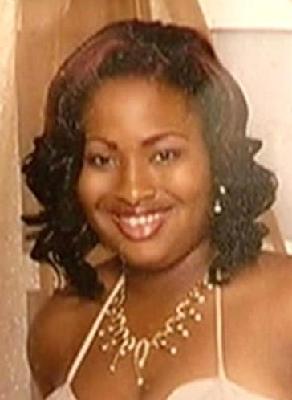
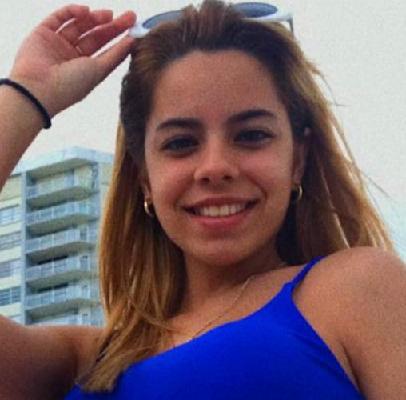
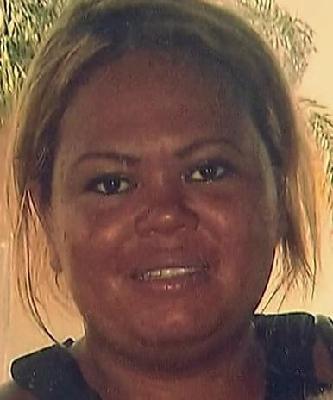
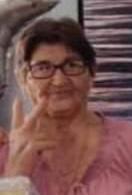
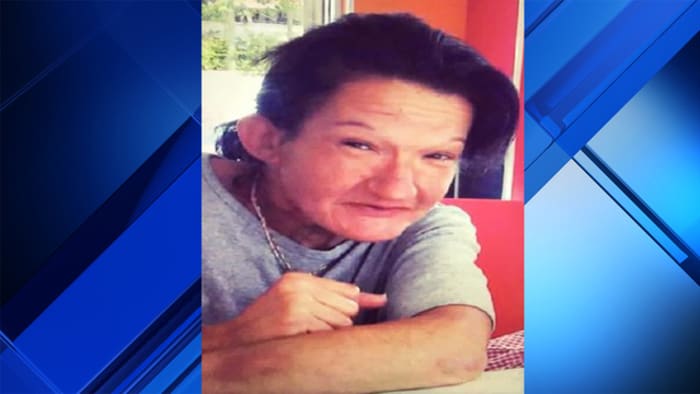
In the winter of 1986, Hilda Mercedes DeSaro, a 39-year-old Hispanic woman, was living in Miami, Florida. Her life was violently cut short on January 22, 1986, when she became one of nine victims in a killing spree that terrorized the Miami-Dade area for 92 days. Her death would later be tied to a man who once swore to protect the public, a former police officer turned serial killer.
The man responsible for her death was Manuel "Manny" Pardo Jr., a former Boy Scout and U.S. Navy veteran who had served with both the Florida Highway Patrol and the Sweetwater Police Department. Pardo’s law enforcement career was checkered; he was fired from the Highway Patrol for falsifying traffic tickets and later dismissed from the Sweetwater department after lying during a colleague's drug-smuggling trial. By early 1986, the man who once received a medal for saving a child's life had embarked on a new, dark path.
Between January and April, Pardo committed a series of robberies and murders. Hilda was among his first victims. While the specific details of what happened to Hilda on that January day are not widely publicized, her murder was part of a bloody campaign Pardo waged across the city. He would later claim he was a "soldier" on a mission to rid Florida of drug dealers, whom he called "parasites" who had no right to live. Prosecutors, however, painted a different picture: they argued Pardo and his accomplice, Rolando Garcia, were drug dealers themselves, eliminating the competition through robbery and execution-style killings.
The investigation, handled by Miami-Dade County homicide detectives, began to connect the series of murders. A crucial break came when investigators discovered Pardo was using credit cards stolen from his victims. His crime spree ended in April 1986 after the murder of his final two victims. During that crime, Pardo's pistol jammed and he accidentally shot himself in the foot, an injury that would later link him directly to the crime scene. He was apprehended in a New York City hospital where he was seeking treatment for the wound.
A search of Pardo's home uncovered a chilling collection of items: newspaper clippings about the murders, a diary with detailed accounts of his crimes, photos he had taken of his victims, and a trove of Nazi memorabilia. This discovery revealed a man who not only documented his killings but also admired Adolf Hitler and harbored racist views.
In 1988, Manuel Pardo went on trial for the nine murders. Against his own lawyer's advice, he took the stand and confessed to all nine killings. He showed no remorse, instead framing his actions as a righteous crusade. "I am a soldier," he told the jury. "I accomplished my mission and I humbly ask you to give me the glory of ending my life and not send me to spend the rest of my days in state prison." The jury rejected his insanity defense and found him guilty on all nine counts of first-degree murder, recommending the death penalty. The judge agreed, and Pardo was sentenced to death.
For more than two decades, Pardo remained on death row, appealing his sentence. During this time, he gained the nickname "the Death Row Romeo" for corresponding with numerous women. Finally, on December 11, 2012, Manuel Pardo Jr., aged 56, was executed by lethal injection at Florida State Prison. In a final written statement, he accepted responsibility for killing six men but denied killing the three women, including Hilda. The case is considered closed, having ended with the conviction and execution of the man responsible for Hilda Mercedes DeSaro's death.