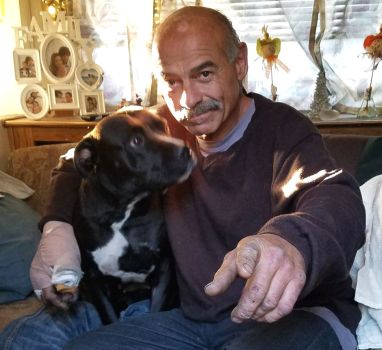
Ernesto Andrade, a 28-year-old man, was fatally shot on August 13, 2011, in East Oakland, California. Andrade's homicide took place near the intersection of International Boulevard and 34th Avenue, an area that has experienced a considerable amount of violence and gang activity over the years. He was standing on the sidewalk when he was approached by unknown assailants, who opened fire. Despite efforts by paramedics to save his life, Andrade succumbed to his injuries at the scene.
This incident was part of a violent period for Oakland, which had been grappling with a surge in homicides. In 2011, Oakland saw over 100 homicides, and Andrade’s death added to the growing list of victims. The city struggled with increased gang activity, and many of the homicides during that year were suspected to be related to gang conflicts. Law enforcement faced significant challenges in addressing these crimes, with many cases remaining unsolved due to the reluctance of witnesses to come forward, often out of fear of retaliation.
The Oakland Police Department (OPD) worked to investigate Andrade's death, but like many other cases from that time, it faced difficulties due to limited resources and a high volume of violent incidents. The OPD has historically been understaffed, which affected its ability to solve violent crimes efficiently. Additionally, community trust in law enforcement was low, which further hindered cooperation that could have led to arrests in cases like Andrade's. His death reflects the broader issues of violence in Oakland during that time, where systemic challenges and community dynamics made it difficult to curb the rising rates of homicides and bring justice to victims and their families.
Efforts to reduce crime in Oakland included community programs and attempts at increasing police presence in high-crime areas, but progress was slow. Andrade's death underscores the tragic consequences of violence that affected many families in the community, leaving loved ones grieving while justice remained elusive. The ongoing violence in Oakland during that period demanded deeper community engagement and systemic reforms to tackle the root causes of crime and to improve safety for all residents.