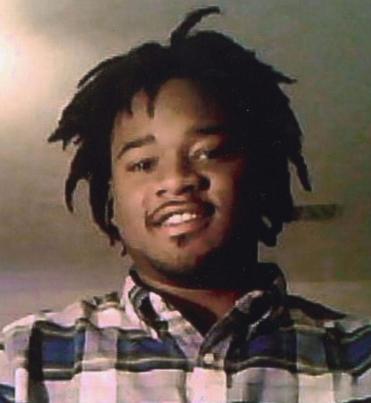
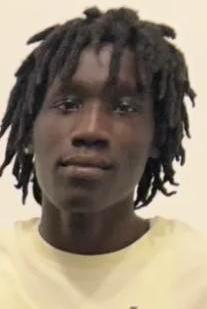
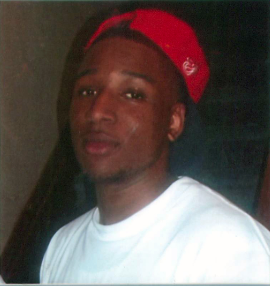
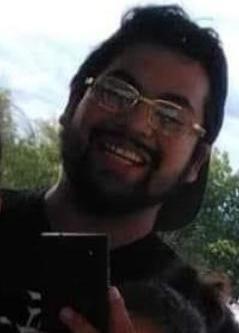
Gene Bernard Hammond Jr., a 19-year-old White man from Omaha, Nebraska, was a beloved son, brother, and fiancé whose life was cut tragically short just two weeks before his twentieth birthday. Remembered by his large and loving family, Gene was the son of Gene Hammond Sr. and Rochelle Dabney. He was part of a sprawling family, with five sisters and three brothers who cherished him. At the time of his death, he was engaged to be married to his fiancée, Andrea Evans. His sudden loss left a void in the lives of his many aunts, uncles, cousins, and friends who recalled him as a well-known and loved person.
The final days of Gene's life began in the early morning hours of Saturday, September 5, 2009. Just before 1:30 a.m., Omaha Police officers were dispatched to a mobile home park near 16th Street and Ellison Avenue. A party had spiraled out of control, erupting into a large-scale brawl involving numerous people. In the chaos of the fight, four individuals sustained serious injuries. Three were transported to the Nebraska Medical Center for treatment. Gene, however, had been stabbed during the altercation and was rushed to Creighton University Medical Center in critical condition.
For six days, Gene fought for his life, but the injuries he sustained proved to be fatal. On September 11, 2009, he succumbed to his wounds, and his death became a homicide investigation handled by the Omaha Police Department. In the immediate aftermath, police sought information from the public regarding the assault, urging anyone with knowledge of the fight or the stabbing to contact Crime Stoppers. The initial reports highlighted the chaotic nature of the scene, with multiple victims and numerous potential witnesses present at the out-of-control party.
Despite the initial response, the investigation into Gene Hammond Jr.'s murder grew cold over time. No suspects were publicly identified, and no arrests have ever been made in connection with his stabbing. The specific details of what led to the massive fight or who was responsible for inflicting the fatal wound remain unanswered questions. The case is a stark example of how violence at large gatherings can present significant challenges for law enforcement, where identifying a single perpetrator among many can be incredibly difficult, especially if witnesses are hesitant to come forward.
Years have passed, and Gene's case remains one of Omaha's unsolved homicides. His family was left to grieve a future that was taken from them, a wedding that would never happen, and a life that had barely begun. His obituary was published in the Omaha World-Herald, and his loved ones gathered to mourn and remember the young man they had lost.
As of today, the investigation into the murder of Gene Bernard Hammond Jr. is inactive, pending new information. His family continues to hope for justice and closure. Authorities still encourage anyone who may have been at the party that night or who has any information, no matter how insignificant it may seem, to break the silence. The Omaha Police Department and Crime Stoppers continue to seek the tip that could finally bring answers and accountability for the senseless killing of a young man on the cusp of his future.