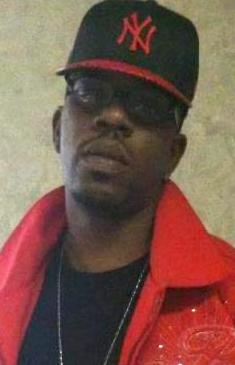
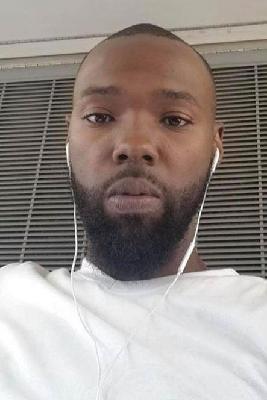
In the pre-dawn hours of Wednesday, March 26, 2025, the life of Sammaquis B. Thompson, a 25-year-old Black man, was tragically cut short. His body was discovered around 5:10 a.m. in the Roseland neighborhood on Chicago's Far South Side. First responders found him on a residential block, in the 10100 block of South Prairie Avenue, suffering from multiple gunshot wounds. The Cook County medical examiner’s office was called to the scene and officially pronounced him dead at 5:22 a.m. At the time of his death, public records indicated Mr. Thompson resided on the 2700 block of West 86th Street, miles away from where he was found. The details of what brought him to that particular street in Roseland in the early morning remain one of the many unanswered questions in his case.
The neighborhood where Mr. Thompson died, Roseland, is one of Chicago's 77 official community areas. With a history stretching back to Dutch settlers in the 1840s, it grew into a bustling community, closely tied to the development of the nearby Pullman factory town. For decades, it was a thriving area with a busy commercial strip along Michigan Avenue. However, like many other city neighborhoods, it faced significant economic decline and demographic shifts in the latter half of the 20th century. Today, Roseland is a predominantly African American community of over 36,000 residents, characterized by a mix of single-family homes and apartment buildings, and home to institutions like Chicago State University. The block on South Prairie Avenue where Mr. Thompson was killed consists mostly of modest, single-story brick homes built in the mid-1950s.
The investigation into the homicide was immediately assigned to the Chicago Police Department's Area 2 detectives. Area 2 is one of five detective divisions that cover the city, responsible for investigating serious violent crimes on the South Side. The detectives' work in the initial hours and days would have involved canvassing the neighborhood for witnesses, searching for private security or doorbell cameras that might have captured the shooting or a fleeing vehicle, and meticulously processing the crime scene for forensic evidence like shell casings. The Chicago Police Department has, in recent years, worked to enhance its homicide investigation process by creating dedicated homicide sections within each detective area and establishing technology centers to better analyze digital evidence.
Despite these efforts, solving homicides often depends on community cooperation and the availability of clear evidence. In the case of Sammaquis Thompson, the trail appears to have gone cold, at least publicly. In the weeks and months following his death, police released no information about potential suspects or a motive in the shooting. No arrests have ever been announced, and the case has not appeared in Cook County court records, indicating it remains an open and unsolved investigation. For the family and friends of Mr. Thompson, the lack of resolution leaves a painful void, compounding the grief of their loss.
Mr. Thompson was one of 416 people killed in Chicago in 2025. While every single death represented a tragedy, the citywide total marked a significant and historic decrease in violence. The number of homicides for the year was the lowest recorded since 1965, representing a nearly 30 percent drop from the previous year and contributing to a broader decline in violent crime across the city. This statistical improvement, however, offers little comfort to the loved ones of those who were lost.
As of the latest available information, the investigation into the murder of Sammaquis B. Thompson is ongoing but inactive. No suspects have been publicly identified, and no charges have been filed. The case remains in the hands of the Area 2 detectives, awaiting the new information or evidence that might finally bring a measure of justice and answer the questions that have lingered since that tragic March morning.