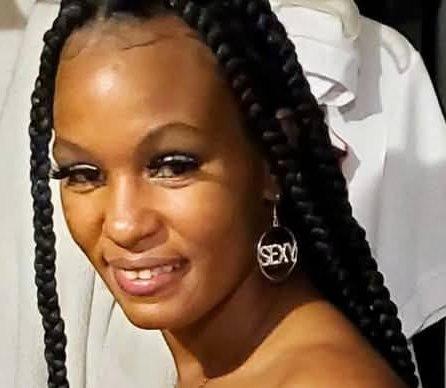
Lashann Matthews, a 20-year-old Black woman, was building a new life in Hammond, Louisiana. Previously divorced, the young mother had married Eric Dawon Matthews in November 1997, and they settled in a mobile home with her two young children from a previous relationship, four-year-old Rosalyn and 17-month-old James Sylve. To the outside world, they were a new family starting a life together in the city about 45 miles northwest of New Orleans. But that semblance of domestic peace was brutally shattered on May 18, 1998.
That day, concerned relatives went to visit Lashann at her home. Instead of a family welcome, they stumbled upon a horrific scene. Lashann was dead, her body showing signs of a violent struggle. Her hands and feet were bound with neckties, a sock had been stuffed into her mouth, and she had been choked. The mobile home was eerily silent, and the most alarming discovery was who was missing: her husband, Eric, and both of her children were gone. Their absence immediately turned a homicide investigation into a frantic, multi-state manhunt.
Investigators quickly named Eric Matthews as the prime suspect in his wife's murder and an urgent search was launched. The FBI became involved due to the parental kidnapping and the fact that Matthews had crossed state lines. The day after killing Lashann, Matthews drove to Castleton, Indiana, where he checked into a motel. There, his violent spree continued when he raped and choked a 36-year-old woman he had called to his room. He fled before she regained consciousness.
The manhunt came to an end two days after Lashann’s murder, on May 20, 1998. Police in Schiller Park, Illinois, spotted Matthews' vehicle near Chicago's O'Hare International Airport and arrested him. While his capture brought a sense of relief, it was tragically incomplete. Only his stepdaughter, Rosalyn, was found with him, physically unharmed. When questioned about the whereabouts of 17-month-old James, Matthews initially lied, claiming he had left the sick child at a hospital in New Orleans.
As investigators pressed him, his story crumbled. The terrible truth was soon uncovered when the body of little James was found in Kenner, a suburb of New Orleans. He had been stuffed into a gym bag and discarded in a trash bin behind a church. Under interrogation, a 24-year-old Eric Matthews confessed to strangling his stepson in a fit of rage just hours after murdering the boy's mother. His confession, however, did not end there. He shocked investigators by admitting to a much longer and deadlier history of violence. He confessed to two rapes committed while on the run and to the murders of two former girlfriends in the Indianapolis area back in the early 1990s, before he had moved to Louisiana.
The legal process that followed was slow, marked by eight years of delays and legal maneuvers from his defense team, which argued he was a "young schizophrenic Louisiana man." His attorneys challenged the validity of his confession and raised questions about his mental competency. The Tangipahoa Parish District Attorney pursued the death penalty, a decision that reportedly went against the wishes of the victims' families, who were willing to accept a life sentence to avoid a lengthy and painful trial.
Finally, on August 30, 2006, Eric Matthews accepted a plea deal. He pleaded guilty to second-degree murder in exchange for a sentence of life in prison without the possibility of parole. The agreement brought a definitive end to the court proceedings in Louisiana, securing a conviction for Lashann's murder and ensuring Matthews would never be free again. Though the case is considered solved, the plea deal meant that the full scope of his violent history, including the murders he confessed to in Indiana, was not fully litigated in a trial setting. The case closed with a conviction, but left behind a devastating trail of loss that began with the violent end to a young mother's life in her own home.