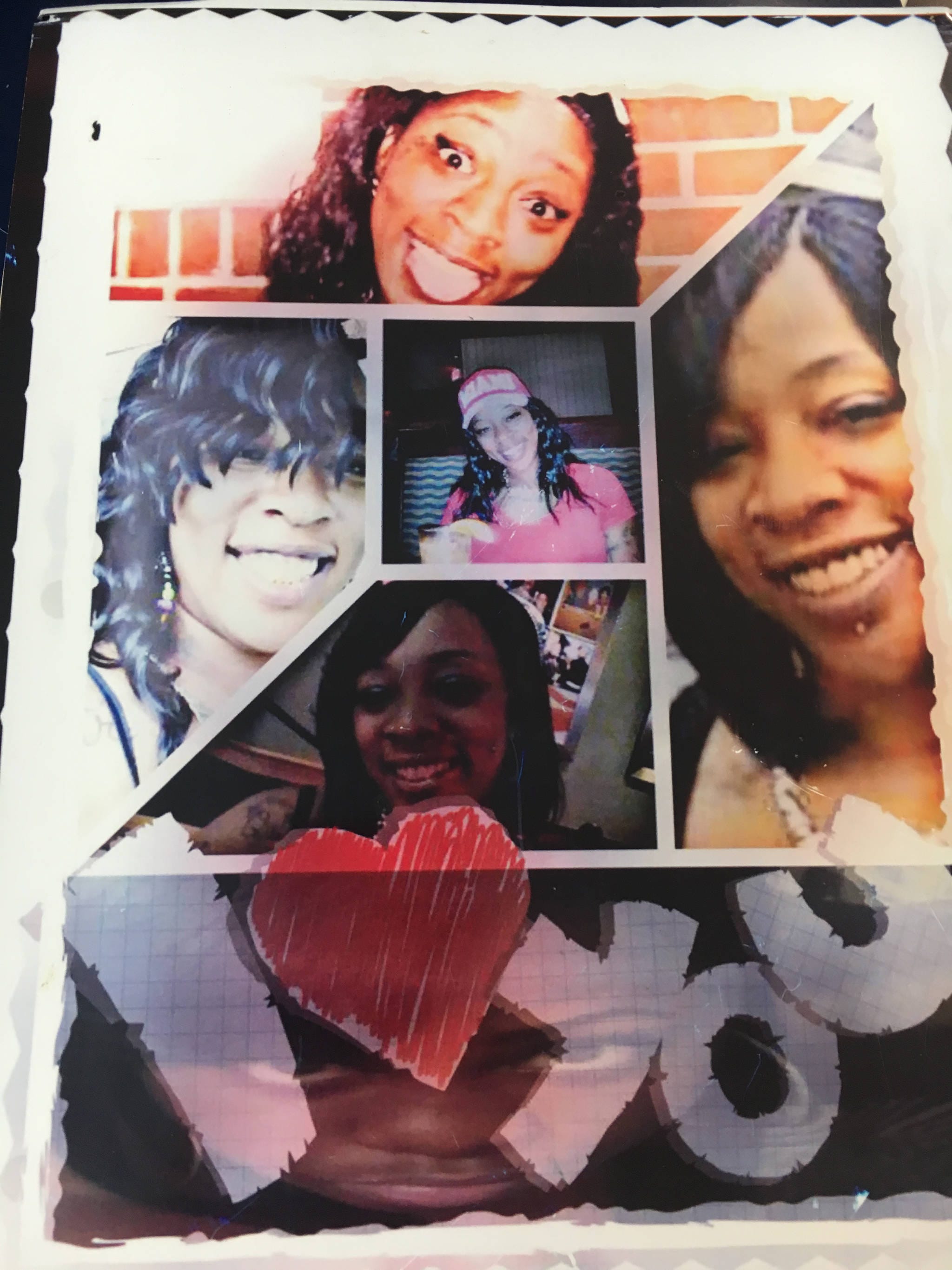
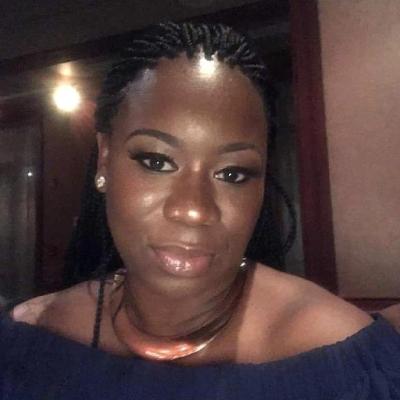
For more than three decades, the family of Frances Campbell lived with the agonizing uncertainty of her disappearance. A 23-year-old Black woman from Savannah, Georgia, Frances was remembered by her younger sister, Diane Williams, as a well-rounded person with a big smile. She came from a loving home with hard-working parents who raised their children well. Her family’s lives were irrevocably altered in 1984, but as her sister later affirmed, there was never a day in the ensuing 35 years that they didn't think about Frances and wonder what had happened to her.
The last time her family saw her was when they dropped her off at home. In a moment that would later seem like a premonition, Frances, who hadn't been to church in years, confessed her life to God that day. Sometime in 1984, she met a man named Samuel Little at a bar near the intersection of Montgomery Street and Victory Drive in Savannah. After that, she vanished. Her sister Diane was six months pregnant at the time, holding onto hope for an entire year. The family's search was filled with anguish, a pain that deeply affected her parents. Her sister recalled that the disappearance and the long period of not knowing "really just broke her spirit."
A year after she went missing, in 1985, the family’s worst fears were realized. Frances Campbell's remains were discovered on a pile of construction debris in the Tremont Park area of Savannah. The debris was from the construction of Interstate 516. The discovery confirmed her death but provided no answers about her killer. The case went cold, and for decades, the profound grief of her loved ones was compounded by a lack of justice or closure. In a tribute to the sister she lost, Diane Williams named her newborn daughter Frances.
The case remained unsolved until 2019, when a breakthrough came from an unlikely source. From a Texas prison where he was already serving multiple life sentences, Samuel Little, a man the FBI has since called the most prolific serial killer in U.S. history, began confessing to more than 90 murders committed across the country between 1970 and 2005. He told investigators he had killed two women in Savannah. This new information prompted Savannah Police to reopen the cold case file.
Savannah Police Detective Sgt. Robert Santoro took the lead, meticulously poring through thousands of old police reports and contacting retired officers from the era. He eventually found an incident report that corroborated Little's account of strangling a woman and leaving her body on construction material. Detective Santoro sent a photograph of Frances Campbell to Little in prison, without identifying her or its origin. Little immediately recognized her as his victim. In exchange for his cooperation, Chatham County District Attorney Meg Heap agreed not to seek the death penalty, prioritizing closure for the victim's family.
In December 2019, a Chatham County grand jury indicted Samuel Little for the 1984 rape and murder of Frances Campbell. The indictment, while painful, finally brought answers. "It’s bittersweet," Diane Williams said. "It was the not-knowing, and now that we know, it makes a big difference. And I wish my parents were alive to see it." She directly refuted Little's claim that he targeted women he believed no one cared about. "We had good parents, loving parents, hard-working parents," she stated. "We wondered every day."
The indictment officially closed the case, bringing a somber sense of justice. Given Little's failing health and his numerous other convictions, it was unlikely he would ever stand trial in Savannah. He died in a California hospital in December 2020. For Frances Campbell’s family, the resolution was not about punishment but about truth. Diane Williams found peace in knowing what happened, saying that if Little needed to make peace with God, "that’s between him and God." In a message to her long-lost sister, she said, "I miss her, but you won at the end. He didn’t win."
As of December 2019, the case of Frances Campbell is considered solved. However, Savannah police are still working to identify a second victim Little claimed he killed in the city in 1974. He knew her only as "Kat," a Black woman in her mid-20s, leaving another family's long search for answers still unresolved.