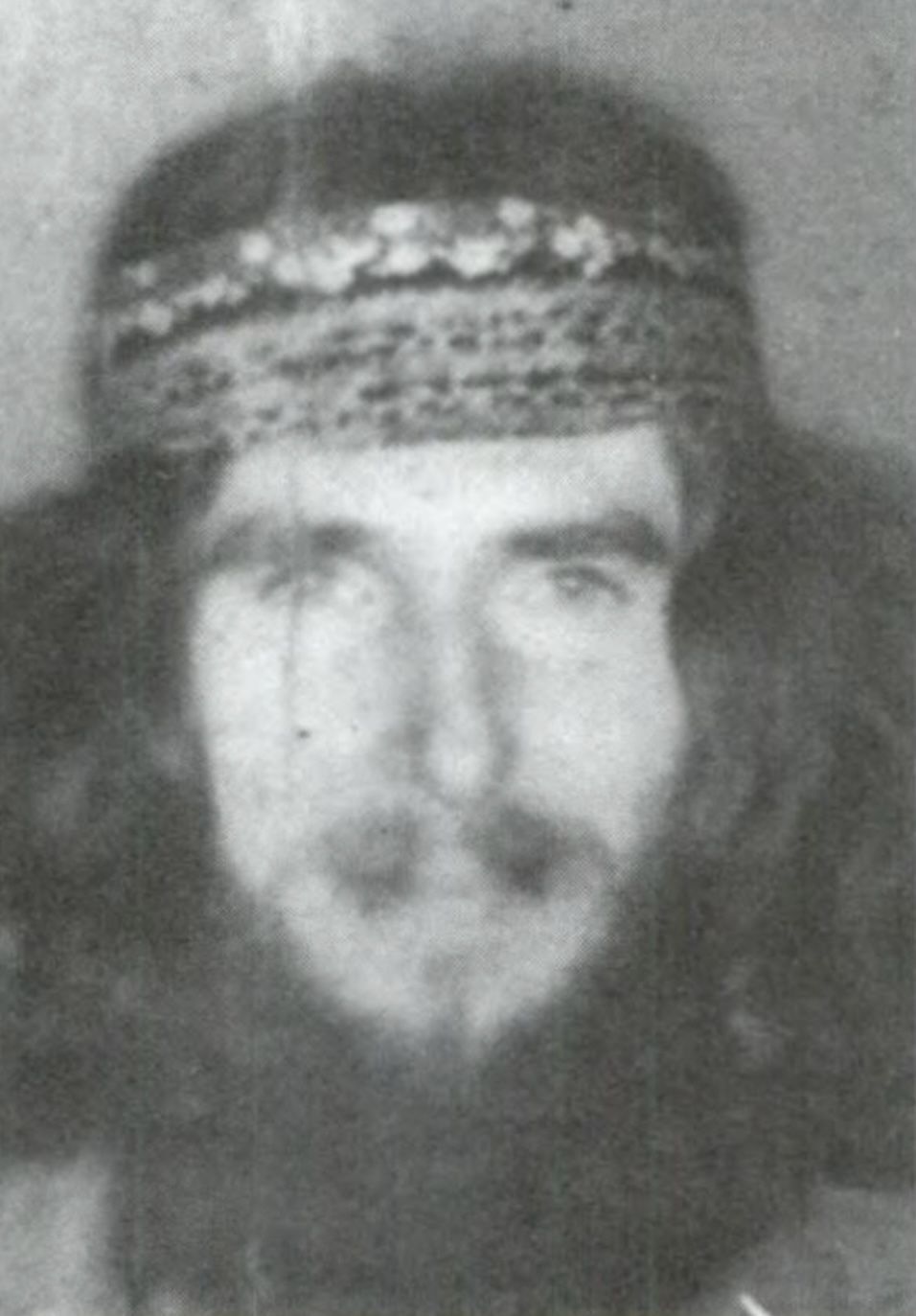
Maurice Anthony Rock was a 37-year-old male musician living in San Francisco when his life was tragically cut short. Known as a guitar player, he was part of the city's vibrant Haight-Ashbury district music scene in the early 1980s. His path fatefully crossed with one of California's most infamous serial killer duos, leading to his disappearance and murder.
In July or August of 1984, Maurice vanished from the San Francisco rooming house where he lived. Unbeknownst to him and his neighbors, one of the other tenants was a man named Leonard Lake, who was renting a room under the alias "Alan Drey." After Maurice was no longer seen at the residence, a woman in the next room witnessed a man she knew as "Steve" removing a refrigerator from Maurice's room. This man, later identified as Lake, offered to take her photograph. She initially agreed but became unsettled and declined when he arrived at her door with camera equipment. This was the last known connection Maurice had to anyone before he was killed.
Nearly a year later, on June 6, 1985, investigators unearthed human remains at a remote cabin in Wilseyville, a rural community in Calaveras County, about 150 miles east of San Francisco. The property belonged to Leonard Lake, and the discovery was part of a massive investigation into a series of horrific crimes. In September 1985, the Calaveras County Coroner confirmed that one of the victims was Maurice Rock, who was 38 by that time. His body had been buried on the property alongside another victim, Reginald "Reggie" Frisby.
The investigation into Maurice's death was part of a much larger and more gruesome case. Leonard Lake and his accomplice, Charles Ng, were responsible for the kidnapping, torture, rape, and murder of at least 11 people, and are suspected in as many as 25 disappearances between 1983 and 1985. Their victims included men, women, and even two infants. The pair would lure victims to their secluded cabin, where they held them captive in a custom-built bunker, often videotaping the torture they inflicted.
The crime spree came to an end by a stroke of luck. On June 2, 1985, Ng was caught shoplifting a vise from a hardware store in South San Francisco and fled. Lake, who was with him, tried to pay for the item, but police were called. Officers arrested Lake after discovering his car was registered to a missing person and contained an illegal firearm with a silencer. While in custody, Lake ingested cyanide pills he had hidden in his clothing and died four days later, on June 6, 1985, the same day Maurice's remains were found.
Charles Ng, a Hong Kong native, fled to Canada but was arrested in July 1985 for robbery and weapons charges. After a protracted legal battle over his extradition, he was returned to California to stand trial. The evidence against him was overwhelming, including videotapes of the torture, Lake's detailed journals, and the human remains found at the Wilseyville property. In February 1999, a jury convicted Ng on 11 counts of first-degree murder, including the murder of Maurice Rock. He was subsequently sentenced to death and, as of July 2024, remains on death row in California. The case remains one of the most notorious in the state's history, a chilling tale of sadism and cruelty that ended the lives of many, including a San Francisco musician named Maurice Rock.