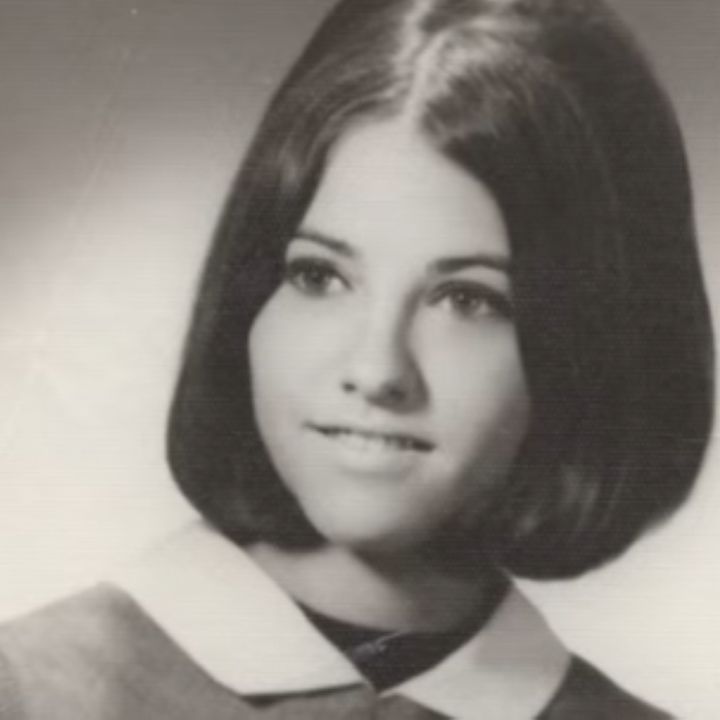
Debra Feldman’s life had known periods of profound difficulty, but she was also a mother whose son, even in the most trying of times, never forgot his love for her. The 48-year-old White woman had a son named Matthew, and in earlier years, she was part of a family rooted in the communities of Bergen County, New Jersey. However, her later life was marked by a painful struggle with drug addiction, which created a deep strain in her relationship with her son. In the year before she vanished, Matthew last saw his mother when she came to him desperate for money. He gave her what he had, an act of familial duty despite his fears of how she would use it. It was the last time he would ever see her.
On April 8, 2009, Debra disappeared. She was last seen at her apartment in Hackensack, a city just west of the river bearing the same name. When she failed to return and made no contact, her roommate reported her missing. The initial investigation by the Hackensack Police Department found little to go on. Debra’s bank accounts went untouched, and there was no communication with any family or friends. With no leads to follow, her case quickly went cold, leaving her loved ones with unanswered questions and the torment of not knowing her fate. For nearly three years, her disappearance remained a complete and troubling mystery.
The case took an unexpected and dark turn in March 2012 with the arrest of a man named Israel Keyes for the abduction and murder of an 18-year-old barista in Anchorage, Alaska. As the FBI delved into Keyes’s life, they uncovered a history of terrifyingly random and meticulous violence. Keyes, a former U.S. Army veteran and traveling handyman, confessed to a string of murders across the United States, a spree that began as early as 2001. He told investigators he chose his victims at random, often in remote places like parks and campgrounds, and used "murder kits" of weapons and body-disposal tools that he had buried years in advance all over the country.
During a series of chilling jailhouse interviews, Keyes admitted to abducting a woman from an East Coast state on April 9, 2009—the day after Debra was last seen. He confessed to driving this victim across state lines into New York, where he murdered her and buried her body somewhere near Tupper Lake in the Adirondacks. Investigators, noting the timeline, began to suspect this unnamed victim could be Debra Feldman. The FBI found that Keyes had searched for news articles about Debra's disappearance on his computer before his capture.
When federal agents showed Keyes a series of photos of missing persons, they noted a distinct change in his demeanor when he saw the picture of Debra. He paused before deflecting, saying, "I don't want to talk about her yet." Though he never explicitly confessed to her murder, the circumstantial evidence was compelling. Based on his statements, the timeline, and his reaction, the FBI announced in November 2013 that they believed Debra may have been a victim of Israel Keyes. However, this connection has never been officially confirmed.
Tragically, any hope of getting definitive answers from the killer was lost forever. Before the FBI could arrange to bring him to the Tupper Lake area to search for the burial site, Israel Keyes died by suicide in his Anchorage jail cell on December 1, 2012. He left behind a legacy of pain and a host of unidentified victims, taking his final secrets with him. As of today, Debra Feldman’s case officially remains open and unsolved. Her body has never been recovered, leaving her family without closure. The Hackensack Police Department and the FBI continue to ask that anyone with information about Debra's activities around the time of her disappearance contact them at 1-800-CALL-FBI.