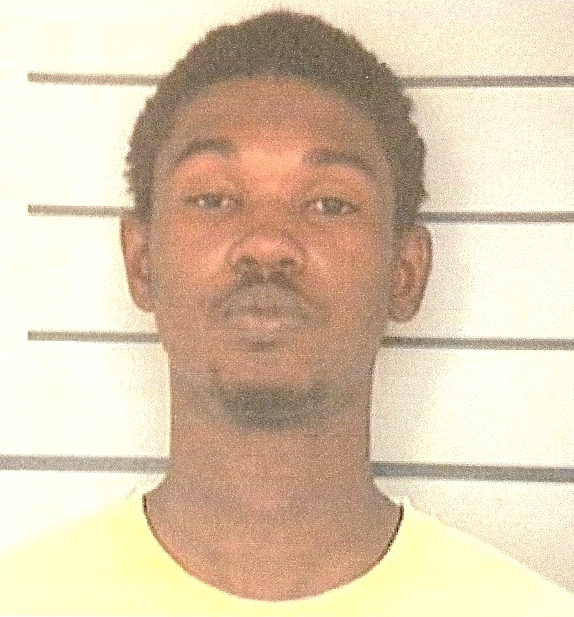
Keith Redding, a male victim, was killed in Cincinnati, Ohio, on August 6, 2002, during a year marked by a brutal string of violent crimes. His death was part of a complex homicide case that involved a group of men who, according to prosecutors, were systematically targeting and killing alleged drug dealers to steal their money and narcotics. The details about Keith’s personal life, including his age, family, and profession, are not available in public records, leaving a painful void in the story of the man whose life was cut short.
The state’s theory, as presented in court records, was that a crew of men including Angelo Howard, brothers Eugene and Carlos Jackson, Andre Thomas, and others, were responsible for a "reign of terror" in 2002. They were accused of engaging in a series of robberies and murders, and Keith Redding was one of their victims. The group’s violent spree cast a shadow over the city, leading to a major investigation by the Cincinnati Police Department.
In 2008, a cold case team brought charges against Angelo Howard, indicting him for the aggravated murders of Keith Redding, Gino Booker, Tim Canady, and Kevin Johnson. The prosecution built a case arguing that Howard was a central figure in the string of homicides. Following a jury trial, Howard was convicted for the aggravated murders of Booker, Canady, and Redding. However, he was acquitted of the charges related to Kevin Johnson's death.
The legal journey following the conviction was long and convoluted. In a 2011 appeal, Howard’s convictions related to the murder of Keith Redding were overturned. Despite this reversal, he remained incarcerated, serving a lengthy sentence of more than 100 years for his role in the other killings. The case against him relied heavily on the testimony of his alleged accomplices, several of whom received reduced sentences in exchange for their cooperation, a point of contention for defense attorneys throughout the legal battle.
For years, prosecutors in Hamilton County fought to keep Howard imprisoned, pointing to the violent nature of the 2002 crime spree and warning of the potential danger his release could pose to the public. The case highlighted the challenges of prosecuting complex criminal conspiracies, especially when relying on testimony from co-defendants. The specific circumstances of Keith Redding’s death were not detailed in the available court opinions, often overshadowed by the larger narrative of the multiple homicides.
The case took another dramatic turn in February 2026, after Angelo Howard had spent 18 years in prison. Acknowledging that problems with the original case would have likely granted Howard a new trial, the Hamilton County prosecutor's office agreed to a plea deal. Howard pleaded guilty to voluntary manslaughter in the death of Gino Booker and felonious assault in the case of Tim Canady. He was subsequently released from prison for time served.
As of early 2026, with Howard's conviction for Keith Redding's murder having been overturned years prior and his subsequent release, no one stands convicted for Keith's death. His case is officially considered unsolved, one of the many cold cases that linger in the files of the Cincinnati Police Department. The lack of resolution leaves unanswered questions for any family or friends Keith Redding may have left behind, and his death remains a stark reminder of the wave of violence that swept through the city in 2002.