Crime Solvers Central
302 Cases Solved. Advancing justice for missing persons, unsolved homicides, unidentified and unclaimed remains.

Case Description

Any updates on this case? Let us know!
Summary based on 6 sources
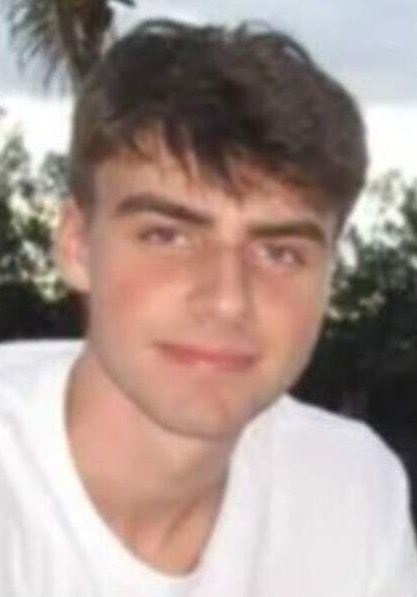
In October 1995, Erik David Kohler, a 21-year-old white male, disappeared from Port Charlotte, Florida. He had been living with his grandparents, and his sudden absence left his family without answers for more than a decade. The mystery of what happened to him was a heavy burden, one that would eventually connect to a far larger and more sinister story unfolding in Southwest Florida.

The first major break in the case came twelve years later, on March 23, 2007. A land surveyor working in a wooded area of melaleuca trees off Arcadia Street in Fort Myers stumbled upon human skeletal remains. The Fort Myers Police Department launched an extensive investigation, and what began with the discovery of one skeleton soon expanded into one of the largest excavations in Florida's history. Searchers, aided by cadaver dogs, ultimately unearthed the remains of eight different men, all found within a 50-yard radius. The men became known as the "Fort Myers Eight."

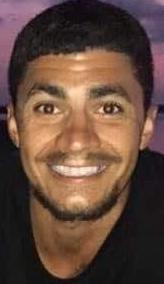
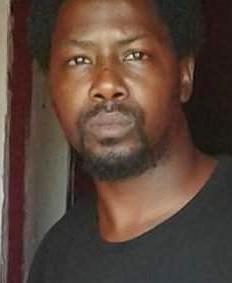
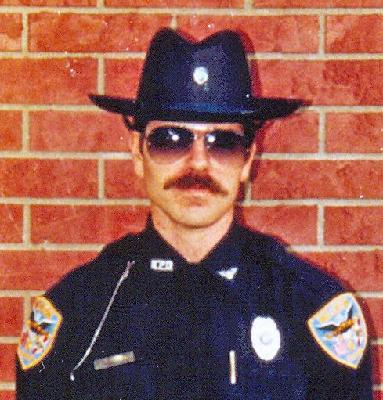
Investigators with the Fort Myers Police Department worked to identify the victims. DNA profiles were submitted to the University of North Texas Center for Human Identification, and authorities appealed to the public for help, asking families of missing men to provide their own DNA for comparison. In November 2007, eight months after the remains were found, one of the victims was positively identified as Erik Kohler. Along with Kohler, three other victims were eventually identified through DNA: John Blevins, 26, who also went missing in 1995; Jonathan Tihay, 24, last seen in October 1995; and Robert Ronald "Bobbie" Soden, 30, who disappeared in 1996. The other four men remain unidentified as of September 2022.

The circumstances of the discovery—multiple naked male bodies found in a remote "graveyard"—led investigators to suspect a serial killer was responsible. Similarities were noted between these deaths and a series of other unsolved homicides in neighboring Charlotte County, which had been dubbed the "Hog Trail Murders." Soon, authorities publicly named a person of interest: Daniel Owen Conahan Jr., a former licensed practical nurse already on death row for a 1996 murder.

Conahan, known as the "Hog Trail Killer," was convicted in 1999 for the kidnapping and murder of 21-year-old Richard Montgomery. The prosecution in that case detailed how Conahan would lure men, often transients, to secluded wooded areas with offers of money to pose for nude bondage photographs, before attacking and killing them. A man who survived a similar attack by Conahan in 1994 became a key witness, his testimony helping to secure the conviction. The site where the survivor was attacked was less than a mile from where the Fort Myers Eight were discovered.

Despite being the prime suspect in the deaths of the Fort Myers Eight and at least a dozen other men, Conahan was never charged in connection with Kohler's death or any of the other seven cases. He maintained his innocence in all the murders. For decades, the cases remained officially unsolved as Conahan sat on death row, exhausting his appeals.

The case reached its conclusion on September 10, 2026. After Florida's governor signed a death warrant, Daniel Owen Conahan Jr., aged 72, was executed by lethal injection at Florida State Prison. He offered no final statement. While his execution brought a legal end to the Richard Montgomery murder case, the deaths of Erik Kohler and the other men found in Fort Myers remain officially unresolved. The Fort Myers Police Department's investigation into the murders of the "Fort Myers Eight" is ongoing.