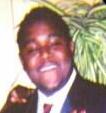
On a warm summer evening in Birmingham, Alabama, the promising lives of 17-year-old twin brothers Johnathan and Jeremi Berry were brought to a violent and tragic end. The fatal home invasion happened on Friday, June 28, 2013, at their family’s house on Attalla Street in the city's Wylam neighborhood. Johnathan, a young Black man, and his inseparable brother were just months away from their senior year at Parker High School, their futures bright with possibility before being extinguished in a senseless act of violence.
Friends and family remembered the twins as a unit, always together and full of life. They were known for their love of football and their engaging personalities. They were looking forward to their final year of high school and all the milestones that lay beyond. Their sudden deaths sent a wave of shock and profound grief through their family, school, and the tight-knit Wylam community, which had watched the boys grow up.
The night turned tragic at around 11:30 p.m. when assailants forced their way into the Berry home in what investigators believed was a robbery. Shortly after the intrusion began, the twins' mother arrived at the residence. As she realized what was happening, she attempted to flee for safety in her car. The intruders opened fire on her vehicle, and she was struck by a bullet, causing her to lose control and crash into a neighbor’s yard. Though wounded, she was expected to recover from her physical injuries. Inside the house, the assailants shot and killed both Johnathan and his twin brother, Jeremi.
Officers from the Birmingham Police Department’s West Precinct were dispatched to the scene after receiving reports of the gunfire and the car crash. Upon arrival, they discovered the two teenagers deceased inside their home. The department immediately launched a double homicide investigation, which quickly became a priority for detectives who were determined to find those responsible for the brutal slayings that had shaken the city.
The investigation, which included work by Birmingham Police Detective Jeff Steel, progressed over the following weeks. Authorities worked tirelessly, following leads that eventually led them to identify four individuals in connection with the murders. The suspects arrested and charged were Stanley Chatman, Crystal Nelson, Dayjuan Tuggle, and Quentin Nixon. The arrests brought a small measure of relief to a family and community consumed by grief and a desire for answers.
On August 22, 2013, the four suspects appeared in a Jefferson County courtroom for a probable cause hearing. During the proceeding, lawyers were appointed to represent them as Detective Steel presented evidence gathered by the police. After hearing the initial evidence, a judge determined there was sufficient probable cause to move the case forward. The murder cases against Chatman, Nelson, Tuggle, and Nixon were subsequently bound over to a grand jury, which would decide whether to issue formal indictments.
The loss of the Berry twins left a permanent void in their community. Their deaths were a stark reminder of the impact of violence on young lives and the families left to navigate an unimaginable loss. The community mourned not just the two boys who were killed, but the futures they would never have—the graduations, careers, and families of their own.
As of late 2013, the case against the four accused individuals was set to proceed through the grand jury process. The family and the Birmingham community awaited the next steps in the legal journey, holding on to hope for justice for Johnathan and Jeremi Berry. The tragic and sudden end of their young lives left a lasting scar on their neighborhood and a family forever changed by a single night of devastating violence.