Crime Solvers Central
302 Cases Solved. Advancing justice for missing persons, unsolved homicides, unidentified and unclaimed remains.

Case Description

Any updates on this case? Let us know!
Summary based on 2 sources
Five-year-old Jaquanda Smith was one of four young siblings from Louisville, Kentucky, whose lives were tragically taken by their own mother. The heartbreaking events unfolded on March 26, 2000, when a call was made from the family’s apartment in the South End of Louisville. First responders arrived to a deeply distressing scene, finding Jaquanda and two of her younger siblings unconscious.

Jaquanda, a Black child, along with her sisters, two-year-old Danesha Jones and 17-month-old Dashay Jones, were rushed from the apartment to Kosair Children's Hospital. Despite the urgent medical intervention, none of the three children could be revived, and all were pronounced dead. The initial shock and grief soon turned into a complex criminal investigation as medical examiners determined the cause of death for all three girls was smothering. This finding immediately pointed toward a deliberate act of homicide rather than a tragic accident or unexplained medical event.

The investigation into the deaths of Jaquanda, Danesha, and Dashay prompted authorities to re-examine a previous loss in the family. Just five months earlier, in October 1999, the children's two-week-old sister, Davonda Jones, had died. At the time, her death was attributed to Sudden Infant Death Syndrome (SIDS), a conclusion that seemed plausible for an infant. However, in light of the new evidence that her sisters had been intentionally suffocated, investigators reopened Davonda’s case, viewing her death with profound suspicion.

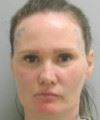
The children's mother, 22-year-old Shavonda Charleston, became the sole focus of the investigation. Authorities pieced together a motive, alleging that Charleston was overwhelmed and deeply frustrated by the demands of raising four young children. Prosecutors prepared to argue that she desired a more carefree lifestyle, unburdened by parental responsibilities, which led her to commit the unthinkable acts against her own daughters. The theory was that she had systematically smothered all four of her children over a period of several months.

Faced with four counts of capital murder and the possibility of a death sentence, Shavonda Charleston’s case proceeded to the Jefferson Circuit Court. On June 19, 2001, she chose to enter an Alford plea. This type of plea allowed her to maintain her innocence while formally acknowledging that the prosecution had amassed enough evidence to likely secure a conviction at trial. By accepting the plea deal, she avoided a potential death sentence.

Immediately following her plea, Judge Stephen Ryan sentenced Charleston to life in prison without the possibility of parole. The sentence ensured she would never again be in a position to harm children. Assistant Commonwealth’s Attorney Carol Cobb, who prosecuted the case, stated, "There are no appeals from this and she will never have the opportunity to be around children again." The case, which had horrified the Louisville community, came to a swift and permanent legal conclusion, leaving behind the memory of four little girls, including Jaquanda, whose lives were ended before they had a chance to truly begin.

Links to Additional Sources (2)

See any mistakes? Let us know!