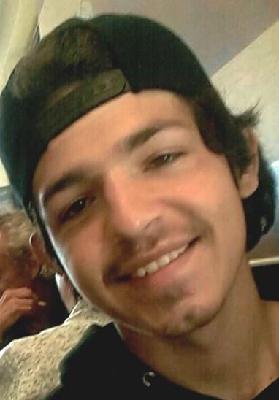
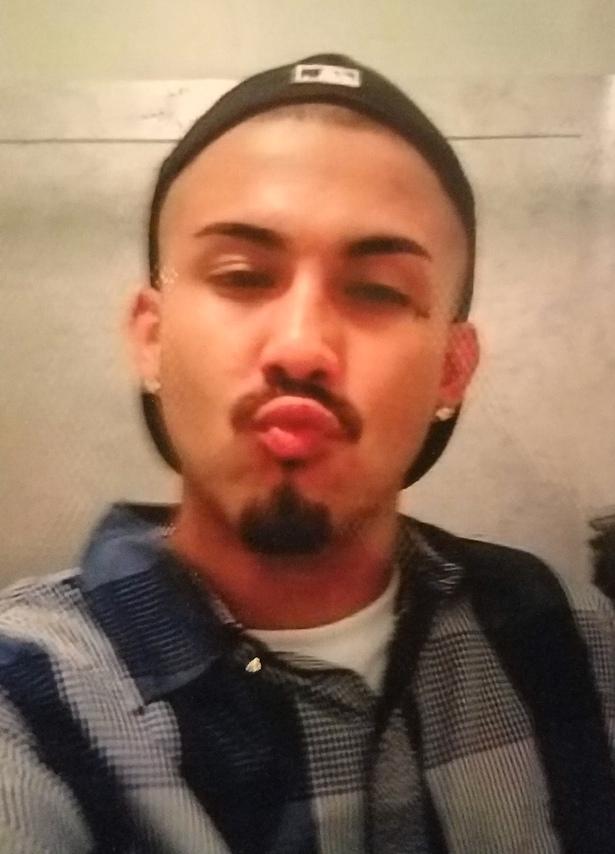
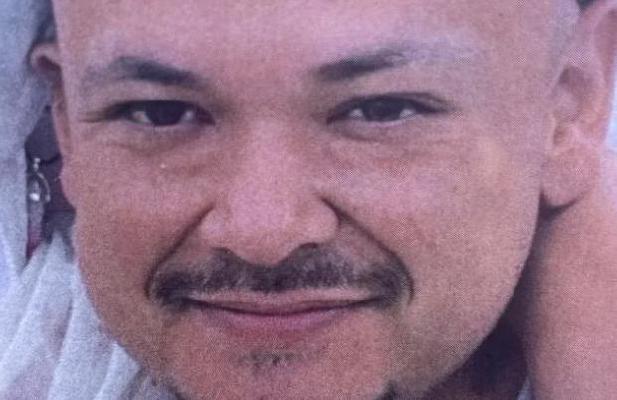
On New Year’s Day 1980, 16-year-old Michael Francis McDonald, a young man from Ontario, California, vanished. His path crossed with one of the state's most notorious serial predators, William Bonin, who was then in the midst of a killing spree that terrorized the communities of Southern California. Michael, who was born in San Gabriel on March 31, 1963, became one of the many young men and boys whose lives were brutally cut short by the man who would come to be known as the "Freeway Killer."
The encounter took place near the Chino Airport, a general aviation airport located in the southwestern corner of San Bernardino County. Under the false pretense of offering him drugs to sell, Bonin lured Michael into his vehicle. Once Michael was inside the van, the friendly offer turned into a nightmare. Bonin bound, beat, and sexually assaulted the teenager. The horrific attack ended when Bonin strangled Michael to death, mutilating his body before discarding it. Two days later, on January 3, 1980, the body of a young man was discovered alongside the desolate stretches of Highway 71 on the outskirts of Chino. The victim was fully clothed, but there was nothing to indicate who he was. For nearly three months, Michael McDonald was a John Doe, his family left to wonder about his fate while investigators worked to piece together a string of similar, horrifying discoveries.
The San Bernardino County Sheriff's Department handled the initial investigation of the unidentified body. During this period, law enforcement agencies across several Southern California counties were grappling with a series of murders of young males whose bodies were often found dumped along the region's sprawling freeway system. As the pattern became terrifyingly clear, a multi-agency task force was formed to hunt for the "Freeway Killer." It wasn't until March 24, 1980, that the unidentified victim found near Chino was finally identified as Michael Francis McDonald. His case was then officially linked to the growing list of crimes attributed to the same unknown perpetrator.
The break in the overarching case came on June 11, 1980, when police in Hollywood, who had William Bonin under surveillance, arrested him in the act of assaulting another teenage boy in his van. In custody, Bonin began to confess, ultimately admitting to his role in the deaths of 21 young men, including Michael McDonald. His accomplices, who participated in some of the other murders, also began to talk to investigators in exchange for avoiding the death penalty. Bonin’s confession provided the details of how he had targeted, tortured, and killed Michael on that New Year's Day.
William Bonin was ultimately tried and convicted for 14 murders—ten in Los Angeles County and four in Orange County. He received two separate death sentences for his horrific crime spree. However, despite his confession to killing Michael, his murder was not one of the cases for which Bonin was formally convicted. Prosecutors in San Bernardino County reportedly did not file charges, citing a lack of sufficient independent evidence to secure a conviction that could stand on its own, apart from the confession.
The case of Michael McDonald stands as a chilling example of the scope of Bonin's reign of terror. While his killer was brought to justice for many other crimes, the legal chapter on Michael's specific case was never formally closed with a conviction. William Bonin was executed by lethal injection at San Quentin State Prison on February 23, 1996, the first person in California to be executed by that method. Though his killer is long dead, the case of Michael McDonald remains officially solved, but unprosecuted, a painful footnote in one of the darkest true-crime sagas in California history.