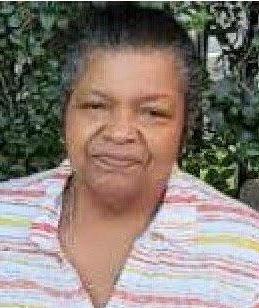
In the summer of 1996, a 22-month-long wave of fear that had gripped Trenton, New Jersey, came to a tragic end with the murder of Deborah Ann Walker, a 37-year-old African American woman. She was the final victim of a serial killer who preyed on vulnerable women in the city. While little has been publicly shared about Deborah’s personal life, her death was a critical turning point that led to the capture of the man responsible for a string of brutal killings, bringing a measure of justice to the families of four murdered women.
On the morning of July 29, 1996, Deborah’s body was discovered in a vacant, grassy lot on Stuyvesant Avenue. The discovery was made by a neighbor of a man named Anthony Balaam after another resident called and told her to look outside. The location was alarmingly close to Balaam's own home at 421 Stuyvesant Avenue, a fatal mistake that quickly put him on the radar of law enforcement. Investigators from the Mercer County Prosecutor's Office and the Trenton Police Department determined that, like the other victims, Deborah had been sexually assaulted and strangled.
The investigation into Deborah’s murder was part of a larger effort to solve the killings of three other women that had begun in October 1994. The perpetrator, who came to be known as the "Trenton Strangler," followed a chilling pattern. He would cruise neighborhoods in the pre-dawn hours, targeting women who were often struggling with drug addiction. He would offer them crack cocaine in exchange for sex, lure them to a secluded location or vehicle, and then threaten them with a knife before assaulting and strangling them. The victims before Deborah were Karen Denise Patterson, 41, killed in October 1994; Valentina Cuyler, 29, killed in March 1995; and Connie Hayward, 27, killed in April 1995.
A major breakthrough in the case had come on February 16, 1996, five months before Deborah's death. A woman who was raped by Balaam managed to escape before he could strangle her. She provided police with a detailed description of her attacker and his methods, which convinced investigators that this was the man responsible for the serial murders. When Deborah’s body was found, the proximity to Balaam's residence, combined with the survivor's testimony, made him the primary suspect.
Anthony Balaam, then 31, was arrested on August 8, 1996. During questioning, he was described by detectives as calm, polite, and unassuming. He confessed to the murders of all four women, including Deborah Ann Walker. In his confession, he spoke of the rage and sense of power he felt while strangling his victims. The case against him was further solidified by DNA evidence from semen found at the crime scenes, which linked him to at least two of the murders.
Balaam was charged with four counts of murder, aggravated sexual assault, robbery, and weapons possession, though the latter two charges were later dropped. His trial was a lengthy process. In June 2000, a jury convicted him of killing the four women. Though prosecutors sought the death penalty, the jury opted against it. On January 26, 2001, Anthony Balaam was sentenced to four consecutive life terms, with a stipulation that he must serve a minimum of 120 years before becoming eligible for parole. He is currently incarcerated at New Jersey State Prison.
The case of Deborah Ann Walker and the other victims of the Trenton Strangler left a lasting scar on the community. The series of murders highlighted the extreme dangers faced by women living on the margins of society. While the capture and conviction of Anthony Balaam closed a dark chapter in the city’s history, the loss of four women, including Deborah, remains a tragic reminder of the violence that ended their lives. As of late 2024, Balaam remains in prison, ensuring he can never harm another person.