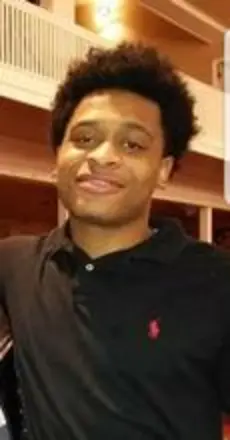
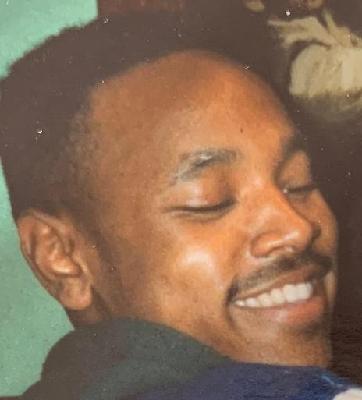
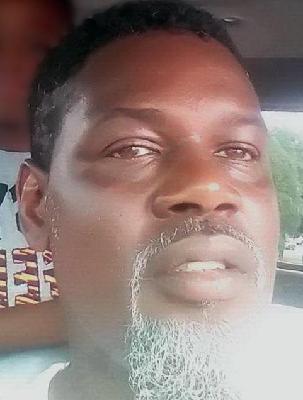
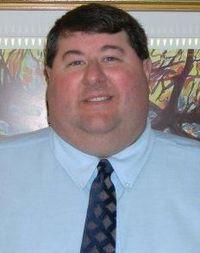
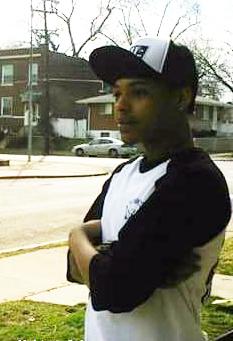
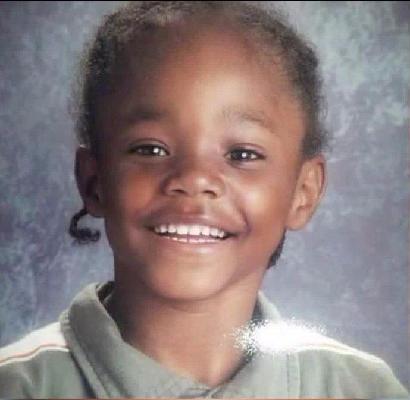
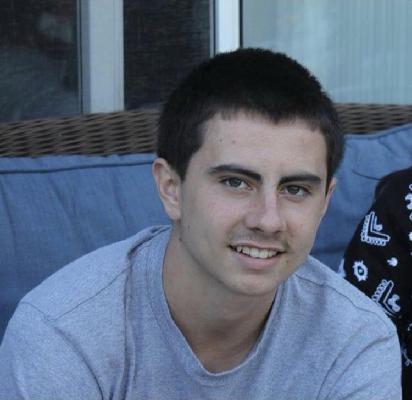
Jeremy Alexander Miller, a 25-year-old Black man from St. Louis, Missouri, died on November 4, 2010.
Long before that date, his story began far from Missouri. He was born on September 24, 1985, in Los Angeles, California, and before he was old enough to form a single memory, he was brought back to St. Louis as a newborn. The city became the backdrop of his whole becoming: the neighborhoods, the schools, the seasons, the ordinary routines that quietly shape a person’s life. He attended Pierremont Elementary School in South County, then moved through Margaret Buerkle Middle School and Ritenour High School, places that likely held the familiar mix of friendships, growing pains, and small moments that didn’t seem important at the time, but later become the memories people cling to when someone is gone.
Those who loved him knew him not just as Jeremy, but as “J-Woods,” a nickname that feels like it belonged to the version of him who laughed easily, who was called out
across a room, who had a presence that friends and family recognized immediately. A nickname like that often carries its own history—shared jokes, certain corners of the city, a way of being that doesn’t always translate into official words. It suggests he had a life lived in full color, with people who truly knew him, not just the name written on paper.
In 2009, something in him shifted toward faith in a way that mattered deeply. That spring, he became born again, and on August 27, 2009, he was baptized. This wasn’t presented as a minor footnote; it was marked as a defining moment, the kind of decision that families remember because it reflected hope, change, and a desire to be better, to be closer to God, to live with purpose. He became a member of the Circle of Life church community in North County, a place where he was not just another face in a crowd, but someone who belonged—someone whose life had a spiritual home, whose name would be spoken in prayer and remembered among people who shared that faith.
When he died, the grief did not belong to just one person; it belonged to a whole network of hearts. His parents, James Miller and Brenda Orr Miller, were named as the ones who carried the weight of losing a son. His grandmothers, Mary Miller and Vernita Orr, and his great-grandmother, Vernita Hollins, were also listed—three generations of love that had held him, watched him grow, and then had to face the unimaginable. His siblings were there in the record too: James Miller Jr., Jwan Miller, and Robert Miller. And beyond them, a larger circle—uncles, aunts, cousins, family by blood and family by bond—each one representing a thread in the fabric of his life.
But perhaps the most tender and aching details are the names of his children: Anijah, Damariah, Rakylan, Dajia, and Asiah. They are named one by one, as if the act of writing them down mattered, as if putting their names beside his was a way of keeping their connection unbroken. It’s impossible to read those names and not imagine how much of his life was tied up in being their father—how much love, responsibility, and hope can exist inside that role, even when life is complicated. A parent’s death is never just an ending; it becomes something the children carry forward, a missing presence that shapes milestones, birthdays, graduations, moments when they will look for him and feel the quiet absence.
His passing was followed by a visitation on November 12, 2010, and a funeral service on November 13, 2010, held at the Circle of Life church in St. Louis. The words used to describe him and the way his life was documented point to someone who mattered deeply to many people. The structure of the remembrance—where he came from, where he went to school, his faith, his nickname, the names of his loved ones—reads like a family trying to preserve the outline of him as clearly as possible, so he wouldn’t be reduced to the fact of his death alone.
There are gaps in what is publicly provided here: the circumstances of how he died are not included in the information given, and there are no details in this material about suspects, arrests, charges, or any legal proceedings related to his death. What remains, then, is the human story that his loved ones chose to place in the world—one that speaks less about the final moment and more about the life that came before it, the relationships he built, the faith he embraced, and the many people who were left behind to miss him.