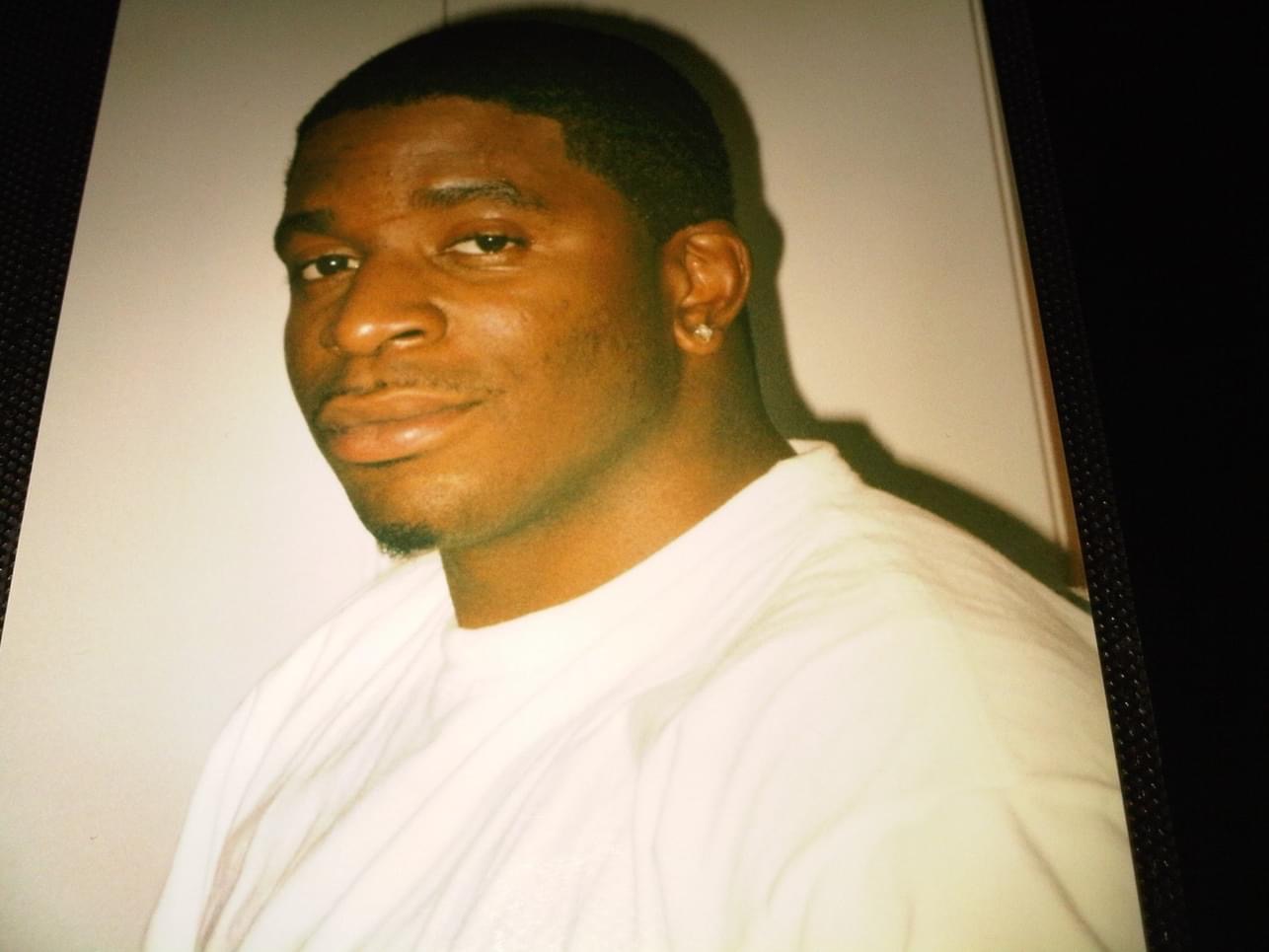
In the pre-dawn hours of October 7, 2013, the city of St. Louis was cloaked in darkness and quiet. But on the 5900 block of Goodfellow Boulevard, the early morning silence was shattered by the screech of tires and the jarring sound of a car crash. When police arrived at the scene around 2:30 a.m., they found a car that had collided with a van in front of the New Northside Conference Center. Inside the wrecked vehicle was 35-year-old Ronnie Moore, a Black male from the 8800 block of Jennings Station Road in Jennings. He had been shot in the head.
First responders rushed Ronnie to a hospital, but the single gunshot wound to his head proved to be a devastating injury. For three days, he clung to life. On October 10, 2013, Ronnie Moore died from his injuries, turning a shooting investigation into a homicide case. The St. Louis Metropolitan Police Department was tasked with unraveling the events that led to a man being shot and left to crash his car in the Wells-Goodfellow neighborhood, an area that, along with the rest of the city, was grappling with a high rate of violent crime.
The year 2013 was a particularly violent one for St. Louis. The city would end the year with a total of 120 homicides. In the broader St. Louis County, the number of reported homicides was lower, but the region as a whole was no stranger to the specter of violence. The St. Louis Metropolitan Police Department's Homicide Division, the unit responsible for investigating Ronnie's death, was faced with a caseload that reflected the city's ongoing struggle with violent crime.
Despite the violent and public nature of Ronnie Moore's death, details about the investigation have remained scarce in the years that have followed. There have been no public announcements of any leads, suspects, or arrests in the case. The narrative of that October morning remains incomplete, a story with a tragic ending but no clear beginning or middle. Who was Ronnie Moore? What was he doing on Goodfellow Boulevard at that early hour? Was he targeted, or the victim of a random act of violence? These are questions that have, at least in the public sphere, gone unanswered.
The area where Ronnie was found, the Wells-Goodfellow neighborhood, has long been associated with high crime rates. The streets, a mix of residential homes and commercial buildings, have been the scene of numerous violent incidents over the years. The New Northside Conference Center, in front of which the crash occurred, stands as a landmark in the community, a place that has hosted countless events and gatherings over its long history. On that October morning, however, it became the backdrop to a tragedy.
The investigation into Ronnie Moore's death is now one of many unsolved homicides in St. Louis, a city that has historically struggled with a low clearance rate for such cases. For the family and friends of Ronnie Moore, the lack of resolution has meant a prolonged and painful grieving process. With no one held accountable for his death, they are left with the haunting echoes of that October morning and the unanswered questions that surround the final moments of his life. The case of Ronnie Moore remains a cold case, a name on a list of victims of a violent year in a city that has seen too many.