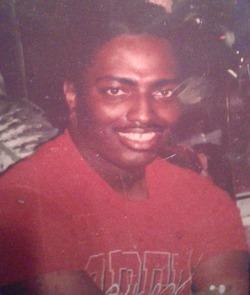
Marshon B. Johnson was a 28-year-old father and a manager at Goodwill Industries who had attended Beaumont High School in St. Louis, Missouri. Remembered with love by his family, including his son, mother, and numerous aunts and uncles, his life was a valued part of a large, close-knit family. His relatives recall a young man whose death left an unfillable void. A comment left on a memorial page by his sibling reads, "Our family has forever been changed since the senseless and heinous murder of my baby brother." Another message from his aunt simply states, "I miss you so much nephew."
The day Marshon Johnson, a Black man, was killed, Saturday, November 22, 2014, was a day of widespread violence and turmoil across St. Louis. His death was one of several homicides that weekend, occurring amid a spate of five separate shootings that wounded four other people throughout the city. The series of violent, disconnected acts stretched law enforcement resources thin and left communities across the city shaken. The St. Louis Metropolitan Police Department was tasked with navigating multiple crime scenes and investigations as the city grappled with the surge of bloodshed. The broader context of that period was tense; just three months prior, the fatal police shooting of Michael Brown in the suburb of Ferguson had set off waves of protests and civil unrest, drawing national attention to the region.
In the chaos of that violent Saturday, Marshon Johnson was fatally wounded by gunfire. Emergency services responded, but he succumbed to his injuries, his life cut tragically short. Despite the flurry of police activity across the city on that day, public-facing reports and news articles provided scant information about the specific circumstances of the shooting that took his life. The exact time and location of the incident were not widely reported, leaving a vacuum of information for those seeking to understand what happened to him.
The investigation into Marshon Johnson’s homicide appears to have stalled, with no publicly available information about potential suspects, persons of interest, or arrests in the years since his death. His case is one of many unsolved homicides in St. Louis, a city that has long struggled with a high rate of violent crime. Without witnesses coming forward or new evidence emerging, the trail has seemingly gone cold, leaving his loved ones without the closure that a resolution in the justice system can bring. The St. Louis Metropolitan Police Department handles homicide investigations within the city limits, but the lack of progress in this case means it remains an open but inactive file.
Today, Marshon Johnson is remembered on online memorials where family and friends light virtual candles and leave messages of love. These pages serve as a testament to the man he was and the deep sense of loss his community continues to feel. His family's messages reflect an enduring pain and a plea for his memory to be honored. One poignant message reads, "REST UP LOVE JUST CONTINUE TO WATCH OVER AND PROTECT US LOVE ALWAYS YOUR SON MOTHER AND JR." As of late 2026, the murder of Marshon B. Johnson remains unsolved, a cold case from a violent weekend in St. Louis history, leaving his family still waiting for answers and for justice to be served.