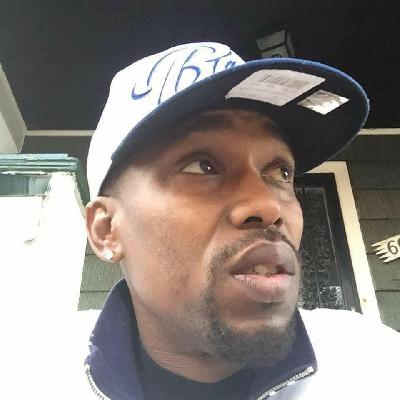
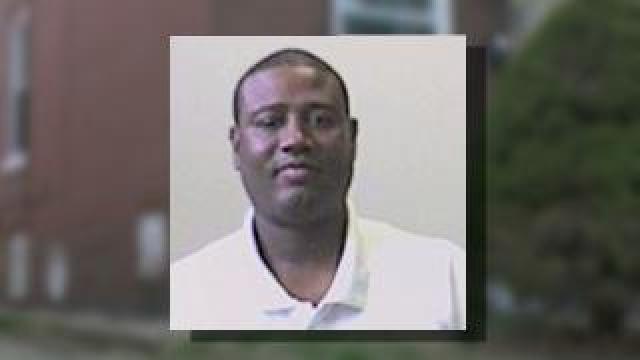
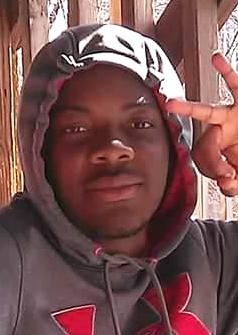
On a summer evening in St. Louis, Missouri, the life of Quincy R. Hardy, a 37-year-old Black man, was cut short by gunfire. The shooting occurred at approximately 8:00 p.m. on Tuesday, August 4, 2015, in the Greater Ville neighborhood, a community in the northern part of the city with a deep history that has also contended with significant challenges related to crime and disinvestment. That year, St. Louis was experiencing a surge in violence, with the number of homicides on pace to be the highest in years.
Officers with the St. Louis Metropolitan Police Department were called to the 4700 block of Greer Avenue for reports of a shooting. When they arrived, they found Quincy Hardy on the ground, suffering from a gunshot wound to his chest. The attack was swift and brutal. Witnesses later told investigators they heard the sound of gunshots and then saw a black SUV speeding away from the area, its occupants disappearing into the night.
First responders attended to Mr. Hardy at the scene, but his injuries were too severe. In the course of their initial investigation on the block, police reported finding a substance in Mr. Hardy’s possession that they believed to be illegal narcotics. The St. Louis Metropolitan Police Department’s Homicide Unit took charge of the case, but the few details available at the outset presented a difficult path forward for detectives. The fleeting glimpse of a dark-colored SUV was the most significant lead, but it offered little to immediately identify a suspect.
The investigation into Quincy Hardy's murder began as many do, with police canvassing the neighborhood for additional witnesses and searching for any surveillance footage that might have captured the vehicle or the individuals involved. However, no arrests were ever announced in the case. No persons of interest were publicly identified, and the critical questions of who shot Quincy Hardy and why remained unanswered. His case joined a tragically long list of unsolved homicides in the city.
In the years that followed, public information about the investigation dwindled to nothing. For families of homicide victims in St. Louis during this period, a lack of communication and resolution was an all-too-common experience. Reports from that time highlighted the struggles of the city's homicide detectives, who were grappling with a high caseload and, in some neighborhoods, a deep-seated mistrust of law enforcement that made witness cooperation difficult to secure.
As of today, the murder of Quincy R. Hardy remains unsolved. The passage of time has not brought any new public developments or answers for those who may have known and cared for him. The identity of the person or people in the black SUV that fled down Greer Avenue on that August night is a secret they have kept for more than a decade. The investigation is officially considered a cold case, waiting for a new piece of information that might finally bring a measure of justice and closure. The St. Louis Metropolitan Police Department and CrimeStoppers continue to seek tips from the public on unsolved homicides.