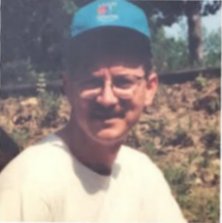
A profound silence surrounds the end of Keith Nash's life, a story with a known final chapter but no pages to explain how it came to be. On November 11, 2017, the 54-year-old Black/African American man died in St. Louis, Missouri. In the absence of a public narrative from authorities, the story of that day is lost to all but those who were there, leaving only the echo of a life remembered by friends and family. A funeral service was held for him on November 22, 2017, at the Friendship MB Church, following a visitation the day before.
Friends who mourned him online recalled a man who was like a brother to them and someone with whom they had shared many memories. One friend remembered how they all used to "dance the night away," a fleeting, happy image that stands in stark contrast to the unknown circumstances of his passing. These memories, shared in an online guestbook, are the only public testimony to the man he was, offering a glimpse into a life filled with connection and joy. One friend, upon learning of his death years later, expressed deep sorrow and regret for having lost touch.
The year Keith Nash died, St. Louis was grappling with a particularly high number of homicides. The city recorded 205 killings in 2017, a figure that underscored a persistent struggle with violent crime. The St. Louis Metropolitan Police Department, the agency responsible for investigating such deaths, faced the daunting task of solving these cases in a city where many homicides went unsolved. Historically, the department has had a homicide clearance rate that is lower than the average for major cities.
For Black victims of homicide in St. Louis, the chances of their cases being solved were even lower. Data from that period shows a significant racial disparity in clearance rates, with cases involving Black victims being less likely to be closed than those involving white victims. This reality forms a somber backdrop to the questions that linger around Keith Nash's death. The lack of available information in the public domain means his case remains one of many that have not been officially resolved.
Without any publicly available information regarding an investigation, potential suspects, or the specific events of that day, the story of Keith Nash's death is a narrative of absence. The official record is silent on where he was found, the nature of his death, and whether it was deemed a homicide. His life is remembered in the warm words of his friends, but the story of his final hours remains an unanswered question, a name among the many whose stories are yet to be fully told. The case's current standing is not publicly documented, leaving a void where a resolution should be.