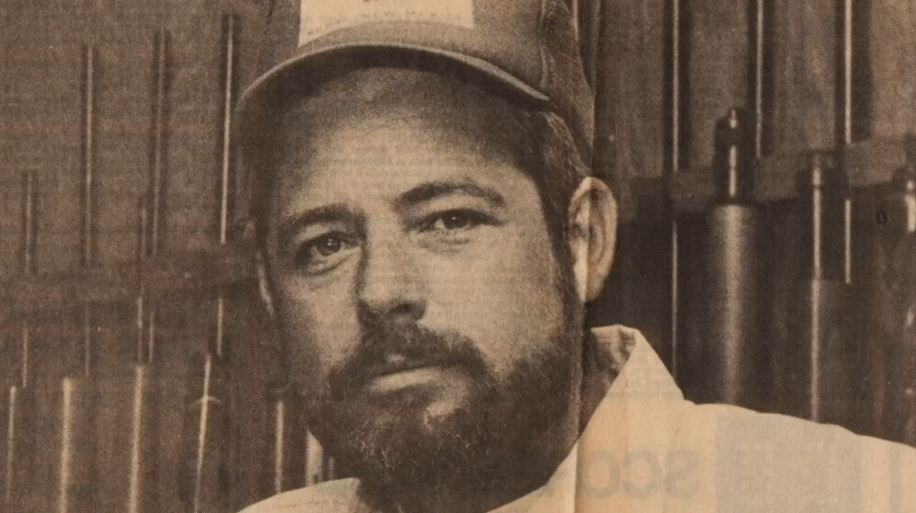
On October 23, 2012, Thomas Cochran, a 20-year-old male from Oakland, California, became one of the victims of the city’s persistent cycle of violence. Oakland in 2012 was experiencing high crime rates, with violent incidents heavily concentrated in the same 100 blocks of East and West Oakland. This was part of a broader trend of crime affecting these areas for decades, with shootings and homicides disproportionately impacting young men of color. The year Thomas Cochran was killed, Oakland recorded around 100 homicides, making it one of the deadliest years in the city's recent history.
Cochran's death reflected the chronic issues of under-policing, systemic distrust between communities and law enforcement, and difficulties in ensuring public safety amidst gang violence and frequent shootings. At that time, community programs like Operation Ceasefire were being promoted by city officials, but they were often hindered by funding challenges and implementation difficulties. Oakland's community leaders were striving to curb violence, but mistrust towards law enforcement and insufficient resources complicated these efforts.
The homicide clearance rates in Oakland were also notably low, especially when compared to other major cities in California. This was partly due to a high number of violent crimes overwhelming the city’s limited police resources, and a general reluctance from residents to cooperate with authorities. These factors made it difficult for families, like that of Thomas Cochran, to receive answers or achieve any sense of justice for their loved ones. The struggle for effective community safety in Oakland continued against the backdrop of growing violence and a critical lack of resources for both preventative and investigative efforts.