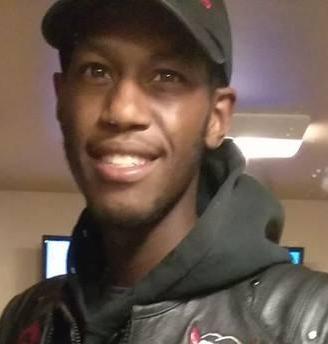
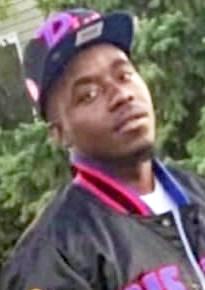
On a Thursday evening in Detroit, the autumn of 2010 was closing in when Tyrel Taylor, a 27-year-old Black / African American man, found his life cut short by a sudden act of violence. The date was October 7th, a day that would become a permanent, painful fixture in the memory of those who knew him. That evening, Tyrel was outside with a group of people on the 14900 block of Griggs Street, a residential area in the west side of the city. The ordinary moments of conversation and camaraderie were shattered when a blue SUV appeared, pulling up beside them.
An exchange of words, the nature of which remains a lingering question, escalated in a matter of seconds. A man identified as Marcus Swaizey allegedly stepped out of the vehicle, a handgun in his possession. The conversation of moments before was replaced by the singular, sharp report of gunfire. The bullet struck Tyrel, and the blue SUV sped away, leaving a scene of chaos and the beginning of a long and unanswered question of why. In the immediate aftermath, there was a frantic rush to save him, a desperate ride to a nearby hospital, but the damage was done. Tyrel was pronounced dead upon arrival.
The neighborhood on Griggs Street, a collection of modest single-family homes, became the backdrop for another tragedy in a city that saw too many. In 2010, Detroit was grappling with a high number of homicides, and the resources of the Detroit Police Department were stretched thin. Each case presented its own unique challenges, and the path to justice was often a long and arduous one. For Tyrel Taylor's case, the initial steps of the investigation were laid out: witness interviews, a search for the blue SUV, and the naming of a suspect.
The homicide was added to the city's grim tally for the year, and as the days turned into weeks, and the weeks into years, the case grew cold. A reward of up to $2,500 was offered by Crime Stoppers of Michigan for any information that might lead to an arrest, a small sum in exchange for the closure a family so desperately needed. Yet, despite the financial incentive and the naming of a suspect, the case remains unsolved, one of many that linger in the files of the Detroit Police Department.
The story of Tyrel Taylor’s death is one of a life taken in a fleeting moment of conflict. The passage of time has not brought the answers his loved ones have undoubtedly sought. The narrative of that October evening remains incomplete, the motives behind the fatal encounter unknown. The case stands as a stark reminder of the violence that can erupt so unexpectedly and the enduring pain of an unresolved loss, a story that, for now, has no final chapter.