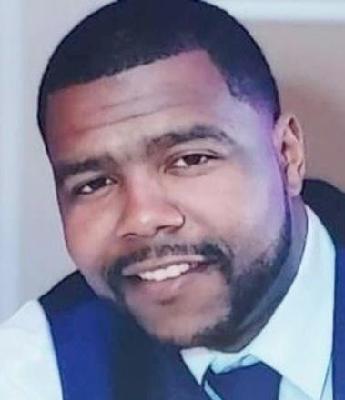
Just three days before Christmas, in the cold of a Detroit winter, the life of Joseph Eubanks was violently taken. He was 32 years old, a Black man whose future was extinguished on the evening of Wednesday, December 22, 2010. The specific details of what happened that night remain shrouded in mystery, a painful void for those who knew and loved him. What is known is that in the area of West 7 Mile Road and Greenfield Road on the city's northwest side, Joseph was killed. His death was officially ruled a homicide, adding his name to a tragically long list of lives lost in the city that year.
The intersection of 7 Mile and Greenfield is a major crossroads, a place of constant motion with businesses, restaurants, and heavy traffic. It lies within a densely populated residential area, a community accustomed to the rhythms of city life. Yet, on that December evening, the normal flow of the neighborhood was shattered by an act of fatal violence. The circumstances that brought Joseph to that location and the events that led to his death have never been shared publicly by authorities. It is not known if he was targeted or the victim of a random act, if he was alone, or what the motive might have been. The silence in the public record leaves only questions.
The Detroit Police Department responded to the incident and launched a homicide investigation. Detectives would have canvassed the area for witnesses and searched for any available surveillance footage that might have captured a glimpse of a suspect or a vehicle. In a busy area like 7 Mile and Greenfield, it seems likely that someone saw something. However, despite the efforts of law enforcement, the investigation into Joseph Eubanks' murder stalled. No suspects were ever publicly identified, and no arrests were ever made. The case eventually went cold, joining hundreds of other unsolved homicides on the department's files.
For the family of Joseph Eubanks, the lack of resolution is an enduring agony. Without answers, there can be no closure, and without justice, the grief is compounded by a sense of profound helplessness. They are left to remember the man they lost—a son, perhaps a brother, a friend—without knowing who was responsible for his death or why it happened. The public record contains no obituary or heartfelt remembrances from loved ones, leaving a stark silence where a life story should be. His existence is primarily documented by the cold, hard facts of his unsolved murder.
The year 2010 was a difficult one for the city of Detroit, which saw more than 300 homicides. Joseph was one of three people killed in the city on that day alone. Each of these deaths left behind a grieving family and a community searching for answers and safety. These are not just statistics; they represent individual lives, each with its own story, hopes, and dreams, all cut short. The sheer volume of cases presented a significant challenge for investigators, and despite their best intentions, many cases, like Joseph's, remain unsolved.
More than a decade has passed since Joseph Eubanks was killed. The case remains open but inactive, a cold case waiting for a new lead, a new witness, or a technological breakthrough that could point detectives in the right direction. The memory of Joseph lives on in the hearts of those who knew him, but for the wider community, his story is a somber reminder of the devastating impact of unsolved violence. As of today, the investigation into the homicide of Joseph Eubanks is ongoing, a silent file in a police department drawer, holding the unanswered questions of a life taken too soon.