Crime Solvers Central
302 Cases Solved. Advancing justice for missing persons, unsolved homicides, unidentified and unclaimed remains.

Case Description

Any updates on this case? Let us know!
Summary based on 9 sources
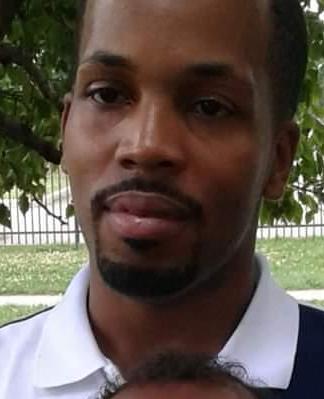
A summer afternoon in Cincinnati was shattered by a burst of gunfire that left two young men dead and exposed a contentious backstory involving the local justice system. The life of Antwon Ward, a 21-year-old Black man, was cut short on August 19, 2014, in a violent exchange on Carplin Place in the Avondale neighborhood. The incident, which also resulted in the death of the man police identified as his shooter, sparked a public debate about judicial discretion and its consequences.

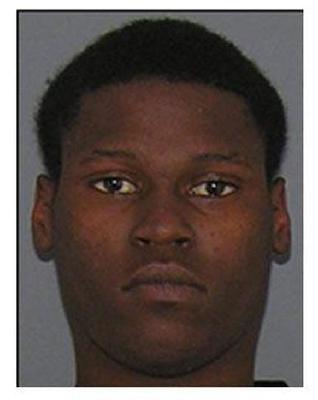
The shooting erupted around 2:30 p.m. near Reading Road. Cincinnati Police officers who responded to the scene found Antwon suffering from gunshot wounds; he was pronounced dead at the location. A second person, 18-year-old Tywaune Thomas, was found critically injured and transported to a nearby hospital. He succumbed to his injuries the following day. A local resident reported hearing about 10 gunshots, describing the ongoing gun violence as a "crisis that needs to be stopped."

Investigators with the Cincinnati Police Department quickly characterized the shootout as gang-related. Police Chief Jeffrey Blackwell stated at the time that he believed the violence was in retaliation for a separate shooting that had occurred in the same area the previous weekend. The Avondale neighborhood, he noted, had been plagued by violent street crime, with the number of homicides in that police district having more than doubled compared to the same period in the previous year. In response, the department planned to increase its presence in the area.

The case took a controversial turn when Hamilton County Prosecutor Joe Deters publicly blamed the deaths of both Ward and Thomas on a decision made by a suspended juvenile court judge, Tracie Hunter. Deters revealed that his office had recommended Thomas, who had 36 prior convictions, be committed to a secure facility of the Department of Youth Services (DYS) in October 2013 for an aggravated drug trafficking charge. Instead, Judge Hunter had sentenced Thomas to outpatient treatment, school, and work, along with electronic monitoring.

Deters argued that Thomas's history of escaping non-secure facilities and violating monitoring made him a poor candidate for such a sentence. "Had Thomas been at DYS, both he and Ward might still be alive today," Deters stated in a news release. He asserted that the structured environment of DYS could have protected Thomas from the streets and potentially altered the course of his life. Hunter's attorney, Clyde Bennett II, dismissed the prosecutor's claims as "nonsensical," stating there was "no legal nexus" between the judge's actions and the young men's deaths.

With Tywaune Thomas deceased, the case against him for the murder of Antwon Ward was closed. Authorities stated that Thomas was shot by someone else during the incident in which Ward was killed, though some initial reports suggested the two men shot each other. No one was ever charged in connection with Thomas's death. As of September 2014, the investigation into the shootout was concluded, with the primary suspect in Antwon's homicide having died. The case highlighted the devastating impact of retaliatory gun violence and raised complex questions about the accountability of the justice system in preventing such tragedies.