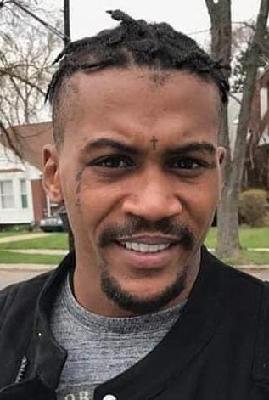
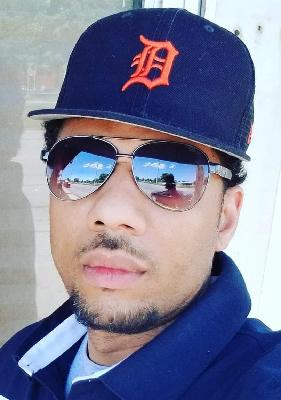
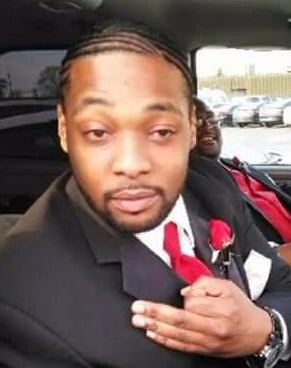
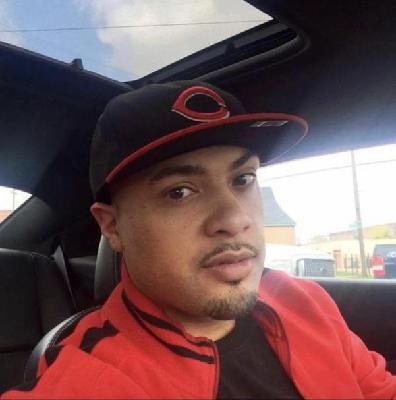
William Dunston was a 55-year-old Black man from Detroit, Michigan, and what is known from the information provided is painfully simple: he died, and his death left a silence behind it that cannot be measured in dates or paperwork.
In a city built on neighborhoods where people learn the rhythm of each other’s lives by the sounds through thin walls and the familiar sight of someone walking the same block each day, a death is never just an isolated event. It becomes a tear in a wider fabric. Somewhere, there were ordinary moments that came right before the end—plans left unfinished, a conversation that would never be returned, a routine that suddenly stopped. The details of how William’s life was taken aren’t here, but the weight of what it means is unmistakable. A man who had made it to 55, who carried decades of memories and choices and struggles, was gone.
When a person dies violently or unexpectedly, the loss doesn’t land in a single place. It spreads. It settles into the hearts of family members who replay their last interactions, wondering if they missed a sign. It reaches friends who remember laughter, arguments, favors exchanged, and the unspoken understanding that time is never guaranteed. It touches neighbors and acquaintances who may not have known him well, but who still feel that jolt of fear and sadness that comes from realizing how quickly life can be erased. Even for those at a distance, the knowledge that someone’s story ended too soon creates a sense of mourning for the life he should have been allowed to continue living.
What makes this harder is the emptiness where answers should be. Based only on what has been provided, there are no names of suspects, no mention of an arrest, no charges to point to, no courtroom resolution to offer any sense of accountability. Without those anchors, the loss can feel like it hangs in the air, unresolved, leaving loved ones with grief that has nowhere to go. Questions become their own kind of burden: Who did this? Why him? Was it sudden, was it preventable, did he know what was coming? When those questions don’t have a place to land, the pain can stretch across years, turning each new season into another reminder of what was stolen.
But William Dunston should not be reduced to the circumstances of his death, even when those circumstances are all that can be plainly stated. He was a person before he was a victim—someone who occupied space in Detroit and mattered to someone, likely to more than someone. His name deserves to be spoken with care, not just recorded. Whatever details remain unknown, one truth holds steady: his life had value, and his absence left a wound. In telling what can be told, the most important thing is not to fill in blanks with speculation, but to honor the reality that a man died and that the people who loved him were forced to carry the aftermath.
Until more is known, his story remains unfinished in the public sense, but not erased. There is still the fact of his existence, the imprint of the years he lived, and the ache left behind by the moment he didn’t come home.