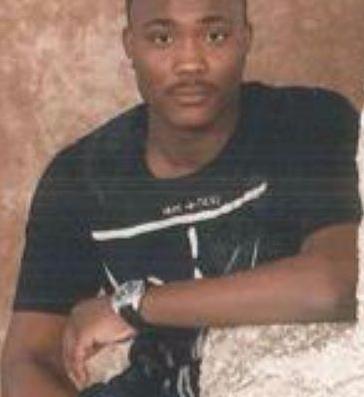
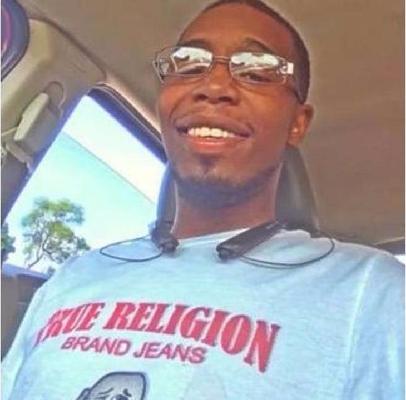
On a cold winter day in Detroit, Michigan, the life of Dante Jackson, a 27-year-old Black man, was tragically cut short. The date was Friday, December 9, 2011, when he became a victim of homicide on the city's west side. The incident occurred in the 7700 block of Grand River Avenue, a major thoroughfare that cuts across the landscape of Detroit. This historic avenue, one of the city's original five diagonal streets, is lined with a mix of businesses, storefronts, and residential areas and has been a witness to the city's long and complex history of growth, decline, and renewal.
The specific circumstances that led to Dante Jackson's death remain almost entirely unknown to the public. Details regarding the cause of death, the motive behind the act, or what he was doing in the moments leading up to the violence have not been released by authorities. It is unclear if there were any witnesses to the crime or what evidence, if any, was recovered at the scene. This lack of information has left a profound and painful void for his loved ones and the community, shrouding his final moments in a mystery that has now endured for more than a decade.
The investigation into the homicide was opened by the Detroit Police Department. In the years since Dante's death, detectives have presumably worked the case, but their efforts have not resulted in a resolution. No suspects have ever been publicly named, and no arrests have been made in connection with the crime. The case has grown cold, joining the ranks of hundreds of other unsolved homicides in the city. In 2011 alone, the year Dante was killed, there were over 300 homicides recorded in Detroit, a statistic that underscores the challenges faced by law enforcement and the deep wounds inflicted on countless families.
For the family and friends of Dante Jackson, the years have passed without closure. The silence surrounding the case has only compounded their grief, leaving them to wonder what happened on that December day and who is responsible for taking Dante from them. The absence of a public obituary, memorials, vigils, or family statements in available records makes it difficult to know the full story of the man they lost. Without these personal remembrances, his life is defined primarily by the brutal and unresolved nature of his death, a stark and incomplete picture of a life that was so much more.
The weight of an unsolved murder falls heavily not just on the immediate family but on the entire community. Each cold case represents a tear in the social fabric, a perpetrator who has escaped justice, and a persistent fear that such violence could go unpunished. It leaves neighbors looking over their shoulders and erodes the sense of safety and trust that is vital for any community to thrive. The questions left in the wake of Dante's death are a heavy burden for those who knew him and a somber reminder of a promise of justice yet to be fulfilled.
As of today, the investigation into the murder of Dante Jackson is still officially open but is considered inactive pending new information. The Detroit Police Department continues to hold the case file, awaiting any new tip or evidence that might provide a long-awaited breakthrough. Without new leads, the path to justice remains unclear. The case stands as a silent testament to a life ended far too soon and a plea for anyone with information, no matter how insignificant it may seem, to come forward. The lack of resolution leaves a lasting scar, a reminder of a life lost and a justice yet to be served.