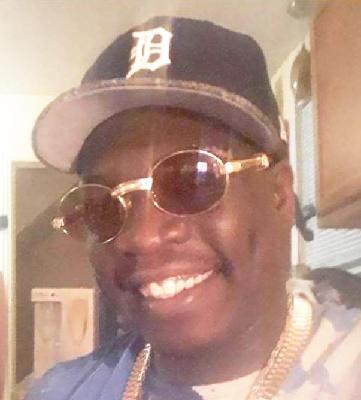
On a summer evening in Detroit, Michigan, the life of Gene Chambers, a 20-year-old Black man, was tragically cut short. The date was June 21, 2012, when he was fatally wounded in the 19200 block of Schoolcraft Avenue on the city's west side. His death was a profound loss, leaving a permanent void for those who knew and loved him. Details about Gene's life, his work, his passions, and the future he was building are not publicly known, but the loss of any young person is a tragedy that deeply impacts a family and a community.
The year 2012 was a particularly violent one for Detroit. The city recorded 386 homicides, a significant increase from the previous year that placed a tremendous strain on law enforcement resources and left a wave of grief across numerous neighborhoods. Gene Chambers became another victim of this surge in violence, his case representing one of many families left searching for answers and justice in a city grappling with a public safety crisis. The Detroit Police Department was tasked with investigating the overwhelming number of killings, often facing challenges in finding cooperative witnesses and sufficient evidence to secure arrests.
The investigation into who killed Gene Chambers has yielded no publicly identified suspects or arrests for more than a decade. The specific circumstances of his death, including the motive or what led to the fatal encounter on Schoolcraft Avenue, remain unsolved mysteries. For his family, the passage of time has not brought closure, only the lingering pain of an unanswered question: who was responsible for taking Gene's life? Their experience is shared by many other families in Detroit who lost loved ones during that period and are still waiting for a breakthrough in their cases.
The neighborhood where Gene was killed, near the border of the Grandmont-Rosedale and Brightmoor communities, is a dense residential area. Like many parts of Detroit, it has contended with the effects of economic hardship and crime. The loss of a young life under violent circumstances adds to the trauma a community endures, leaving neighbors with a sense of loss and insecurity. Without new information, cases like Gene's can grow cold, the files sitting in storage as detectives are assigned to more recent crimes.
The hope for resolving Gene's murder rests on the possibility that someone, somewhere, holds the key piece of information that could move the investigation forward. Allegiances and circumstances can change over time, and a person who was once afraid to speak may find the courage to come forward. The Detroit Police Department continues to seek information on its unsolved cases, relying on tips from the public to bring justice to victims and their families.
As of November 2026, the homicide of Gene Chambers remains an open and unsolved case. His family has been left in a state of prolonged grief, unable to fully mourn without knowing why he was killed or who was responsible. The Detroit Police Department Homicide Unit can be reached at 313-596-2260, and they urge anyone with information, no matter how insignificant it may seem, to come forward. A single tip could be the crucial element needed to finally bring a measure of peace to Gene's loved ones and hold his killer accountable.