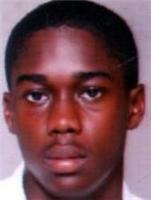
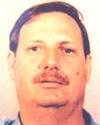
A pioneer of the New Orleans hip-hop scene, Robert Johnson Jr. was a voice of burgeoning talent silenced far too soon. Known professionally as Kilo G, the 20-year-old Black man was one of the foundational artists for the then-fledgling Cash Money Records, helping to shape its early sound. Born on August 28, 1976, Johnson grew up in New Orleans and launched his rap career while still a teenager. At just 15, he was discovered by the founders of Cash Money and became the label's first signed artist. That same year, in 1992, he released his debut project, "The Sleepwalker," a cassette-only album that showcased a gritty, horrorcore style that stood in stark contrast to the city's dominant bounce music scene.
Johnson’s music was deeply rooted in the narratives of his environment, and his raw, youthful intensity resonated with local audiences. In 1995, he released his second and final album, "The Bloody City." The project was a significant step forward, featuring more polished production from Mannie Fresh and guest appearances from respected artists like UGK members Bun B and Pimp C, as well as Cash Money labelmates. The album is now considered a coveted classic of the Southern underground genre. With his career on an upward trajectory, Johnson was seen as an integral part of Cash Money's future. At the time of his death, he was a young father, leaving behind his girlfriend, Lakeisha, and their infant son, Robert Johnson III. Some reports indicate he had a second child as well.
The promising artist's life was tragically cut short in the pre-dawn hours of January 15, 1997. An unknown assailant came to the apartment where Johnson was staying in the Algiers neighborhood of New Orleans. Just after 4 a.m., the individual knocked on the door. When Johnson answered, a brief exchange ended in gunfire. He was shot multiple times, with wounds to his chest, side, and face. Mortally wounded, he collapsed just outside the apartment. According to some accounts, his last words were a warning to his girlfriend not to come outside for fear she would also be shot.
A neighbor called 911, and a New Orleans Police Department homicide detective was one of the first to arrive at the Live Oaks apartment complex. Paramedics rushed Johnson to the hospital, but he succumbed to his injuries either in the ambulance or shortly after arrival. He was pronounced dead, leaving a profound void in the city's music community. The motive for the killing was never officially determined, though rumors circulated in the aftermath, pointing to everything from personal conflicts to disputes related to the music industry. His girlfriend reportedly told police that he had been having issues with his record label.
The investigation into Robert Johnson Jr.'s murder has been met with an enduring silence. Despite the initial response from the New Orleans Police Department, no suspects have ever been publicly identified, and no arrests have ever been made. The case quickly went cold, joining a tragically long list of unsolved homicides in the city. The violence that year would also claim the life of another Cash Money artist, Yella Boy of the group U.N.L.V., just a few months later.
Decades later, the murder of Kilo G remains an open case, a painful and unresolved chapter in the history of New Orleans hip-hop. His influence, however, has not been forgotten. In the years following his death, Cash Money artists who rose to international fame would often pay tribute to him in their songs, honoring him as one of the label's "fallen soldiers." While his time in the spotlight was brief, his work is remembered as a crucial building block in the Cash Money legacy, and his albums are prized by collectors. For his family, friends, and fans, there is still no closure and no justice for the young artist who was just beginning to share his voice with the world.