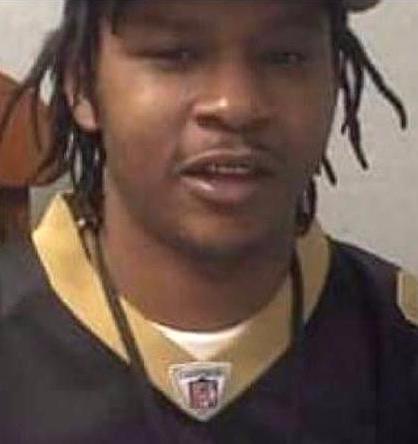
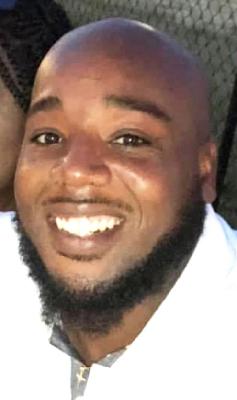
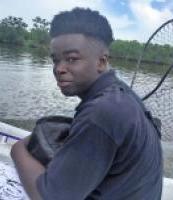
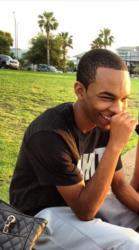
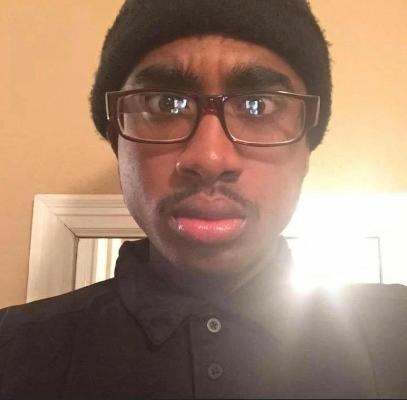
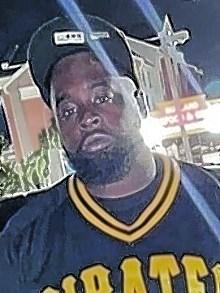
A mother’s world torn apart by the crack of gunfire is a sound too familiar in the Algiers neighborhood of New Orleans, a community long besieged by violence. For the family of Cornell Glover, a 30-year-old African American man, that sound echoed with a devastating finality on a warm November night in 2014. Known to his loved ones as "Bacon," Cornell was a father to three children, Carniya, Camyre, and Cornell Jr., and the cherished son of Cynthia Glover Scott. His life, a tapestry of love, friendship, and the daily struggles of his neighborhood, was cut short in a burst of violence that has left his family with more questions than answers.
The evening of November 30, 2014, was unseasonably mild, and Cynthia Glover was on her porch, chatting with a neighbor. Cornell had come to visit and was talking with friends in the street in front of his mother's house. The familiar rhythms of the neighborhood were punctuated by the passing of two men. Cynthia found it odd that one was wearing a puffy winter coat on such a warm night. "Y'all better be careful walking out here this time of night," she called out to them. One of the men replied, "Okay. Good night," before they continued on their way. Moments later, as Cynthia stepped off her porch, the night was shattered by a rapid succession of gunshots. When she turned, she saw her son on the ground.
In the chaotic moments that followed, as neighbors rushed to the scene, Cornell, bleeding on the pavement, repeatedly shouted the name of the man he said had shot him. His mother, in a state of shock and horror, desperately tried to keep him conscious, slapping his face and pleading, "Stay with me, Bacon, wake up!" Cornell was rushed to West Jefferson Medical Center, but his life could not be saved. He departed this life on December 1, 2014, leaving a void in the hearts of his family and friends.
The investigation into Cornell’s murder led to an arrest. The man taken into custody was the same person Cornell had named in his dying breaths. The case, however, was complicated, with tangled connections to the Glover family. The suspect had previously been involved in the non-fatal shooting of Cornell's cousin three years earlier, a case that had remained unsolved until Cornell's death brought the alleged perpetrator back into the orbit of law enforcement. The wheels of justice began to turn, but for a family already so deeply wounded by violence, the process was fraught with anxiety and the lingering pain of their loss.
The murder of Cornell Glover was not an isolated tragedy for his family or his community. His death was a stark reminder of the persistent plague of gun violence in Algiers, a place where the homicide arrest rate is painfully low, and justice often remains elusive. Cornell was the third of Cynthia Glover's four children to be killed. The weight of such loss is immeasurable, a constant presence in the lives of those left behind. The home that once echoed with the laughter of her children is now a quiet testament to their absence, filled with photographs and memories.
The legal proceedings against the man accused of killing Cornell Glover have been difficult to track, with public records offering no clear resolution. The case, which was reportedly delayed, has since faded from public view, leaving the final chapter of Cornell’s story unwritten. For his family, the lack of a definitive conclusion to the case is another layer of unresolved grief. The world moves on, but for a mother who has lost so much, the memory of her son and the unanswered questions surrounding his death remain a heavy burden in a city where too many stories of violence end without a final, just word.