Crime Solvers Central
302 Cases Solved. Advancing justice for missing persons, unsolved homicides, unidentified and unclaimed remains.

Case Description

Any updates on this case? Let us know!
Summary based on 5 sources
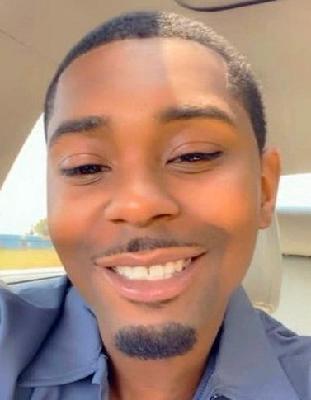
The early hours of Thursday, May 10, 2018, cast a somber shadow over the Bywater neighborhood of New Orleans. In a city that was marking a year of fewer homicides than it had seen in decades, violence still found its way into the vibrant community. It was on Alvar Street that the life of a young African American man, Malik Marshall, came to an end. At the age of 22, he was discovered inside an SUV, having been fatally shot. The New Orleans Police Department was tasked with unraveling the events that led to this moment, a sudden and violent end to a young life in a city constantly grappling with such tragedies.

Details surrounding the investigation into Malik's death have remained scarce in the years that followed. The initial reports from that spring day painted a grim picture of another life lost to gun violence, a narrative all too common in many American cities. The Orleans Parish Coroner's office would later confirm his identity, but the trail of public information regarding the circumstances of his death grows cold from there. No suspects or persons of interest have been publicly identified by the New Orleans Police Department, and the case has faded from public view, leaving a void of unanswered questions. The silence surrounding the investigation offers little solace to those who knew and loved Malik, a common and painful reality for many families in a city with a history of unsolved homicides.

The Bywater neighborhood, known for its colorful streetscapes and artistic community, became the backdrop for this tragedy. While New Orleans as a whole saw a decline in its murder rate in 2018, the specter of violence was never far. The city's homicide rate, though lower than in previous years, remained one of the highest in the nation. Each life lost represented not just a statistic, but a network of family and friends left to navigate a world forever altered by a single act of violence. The investigation into Malik's death fell to a police department that, like many in major cities, faced the daunting task of solving a high volume of violent crimes.

A different and conflicting account of Malik's passing emerged from a GoFundMe page organized by his aunt. This narrative tells the story of a 23-year-old who had been the victim of an assault in August of that year, leading to a hospitalization from which he would not recover. This account also speaks to his lifelong battle with sickle cell anemia, a condition that involved frequent hospital stays, strokes, and blood transfusions. According to his aunt, this pre-existing condition made it impossible for him to secure life insurance, compounding the family's hardship in the wake of his death. She described him as a loving, caring, and loyal person who was cherished by his friends and family.

These two disparate accounts of how Malik Marshall's life ended create a confusing and incomplete picture. One points to a specific, violent act of gun violence on a particular day in May, a narrative supported by gun violence archives. The other speaks to a more prolonged health struggle, exacerbated by an assault later that summer. Without official clarification from law enforcement or the coroner's office that reconciles these accounts, the precise circumstances of his death remain shrouded in uncertainty.

Years have passed since Malik Marshall's death, and his case remains unsolved. The initial shock of the event has long since faded from the headlines, leaving behind a family to grapple with their loss and the lingering questions that have no answers. The city of New Orleans has continued its struggle with violent crime, and the resources of its police department are perpetually stretched. For now, Malik's story is one of unresolved tragedy, a young life cut short, and a case that remains in the quiet, crowded archives of the city's unsolved homicides, waiting for a break that may never come.