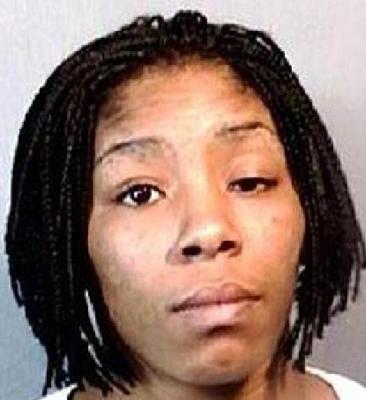
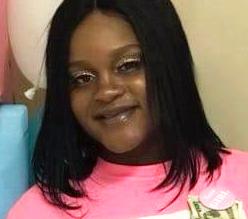
A quiet street in Baton Rouge became the scene of a somber discovery on the afternoon of Wednesday, February 2, 2022. On that day, the life of Dolores Johnson, a 36-year-old Black/African American woman, was tragically cut short. Police were called to the 4000 block of Cadillac Street, where they found Ms. Johnson inside a vehicle, having sustained fatal gunshot wounds. The initial pronouncement by the East Baton Rouge Coroner's Office confirmed the cause of death at the scene, and the Baton Rouge Police Department swiftly launched a homicide investigation into the troubling event.
Details surrounding the circumstances of the shooting have remained scarce, leaving a community to grapple with the unsettling reality of a life taken without a clear reason. In the immediate aftermath, detectives from the Baton Rouge Police Department canvassed the area, searching for any piece of evidence or witness testimony that could shed light on the moments leading up to the discovery of Ms. Johnson. Their initial press release was brief, offering only the essential facts of the case and a public appeal for information. No suspects or persons of interest were immediately identified, and a motive for the shooting was not publicly disclosed, leaving a void of information that has yet to be filled.
The neighborhood where Dolores Johnson was found is a residential area in Louisiana's capital city, a place that on any other day would be filled with the routine comings and goings of its residents. The intrusion of such a violent act undoubtedly left a mark on the community, a stark reminder of the city's ongoing struggles with gun violence. In 2022, Baton Rouge recorded a significant number of homicides, contributing to a violent crime rate that has been a persistent concern for the city's inhabitants and officials. Each of these statistics represents a life, a family, and a community irrevocably altered by violence.
The investigation into the death of Dolores Johnson falls to the detectives of the Baton Rouge Police Department's homicide division, a team tasked with the immense responsibility of seeking justice for victims and their families. The path of such investigations is often long and arduous, relying on the careful collection of evidence, the piecing together of timelines, and the cooperation of the public. In a city grappling with a high volume of violent crime, the resources and attention of law enforcement are perpetually stretched, making community assistance all the more critical.
As time has passed, the case of Dolores Johnson's death has remained largely out of the public eye, with no significant updates or arrests announced by the Baton Rouge Police Department. The questions of who was responsible for her death and why it happened remain unanswered, a painful uncertainty for anyone who knew her. The case stands as a quiet but poignant testament to the devastating impact of gun violence and the lingering sorrow that follows in its wake, awaiting a breakthrough that might one day bring closure to a story that ended far too soon.