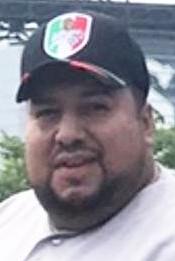
On July 26, 2020, the life of Muhammad Lamont Wilson, a Black man, was tragically cut short in Chicago, Illinois. His death was one of hundreds that year in a city grappling with a historic and devastating surge of violence. While the specific details of his life and the circumstances of his death remain shrouded in unanswered questions, his loss is a painful reminder of the human cost of a crisis that swept through communities during an exceptionally difficult summer.
The summer of 2020 was a period of profound turmoil for Chicago. The city experienced a dramatic spike in shootings and homicides, far exceeding the totals of the previous year. By the end of 2020, Chicago would record 769 homicides, a staggering increase of more than 55% from 2019. This wave of violence was fueled by a complex mix of factors, including the social and economic upheaval of the COVID-19 pandemic and widespread civic unrest. For residents in many neighborhoods, the constant sound of sirens and the news of another life lost became a part of a grim daily reality.
When a life is taken in Chicago, a difficult and complex process begins. The investigation into Muhammad Wilson’s death would have fallen to the Chicago Police Department’s Bureau of Detectives. Upon arriving at a scene, detectives work to secure the area, identify and interview potential witnesses, and search for physical and digital evidence. This can include everything from shell casings and DNA to surveillance footage from nearby homes or businesses, which has become increasingly crucial in building a case.
The Cook County Medical Examiner’s Office is tasked with determining the official cause and manner of death. From there, detectives painstakingly piece together the victim's final hours, seeking to understand the events that led to the violence. They build a timeline, follow up on leads, and work to identify persons of interest. This work is often slow and challenging, relying on community cooperation, which can be strained by a history of mistrust, and the meticulous analysis of evidence. Strengthening the bond between the police and the communities they serve is a recognized necessity in solving these violent crimes.
For every homicide, there is a network of family, friends, and neighbors left to navigate an unimaginable loss. They are left with grief and a desperate need for answers and justice. The pain is compounded when a case goes unsolved, leaving a wound that cannot fully heal. These unsolved cases create a cycle of trauma and fear within communities, sending a message that safety is precarious and accountability is not guaranteed. Organizations across Chicago work to support these families, offering counseling and resources as they cope with the aftermath of violence.
As of late 2026, the investigation into the death of Muhammad Lamont Wilson remains open. The lack of resolution in his case mirrors the struggle of hundreds of other families in Chicago who are still waiting for justice for their loved ones. Each unsolved case represents a failure to provide closure and a lingering threat to public safety. The questions surrounding who took Muhammad Wilson’s life and why are a heavy burden, not only for those who may have known him but for a city that continues to fight for a future free from such senseless violence.