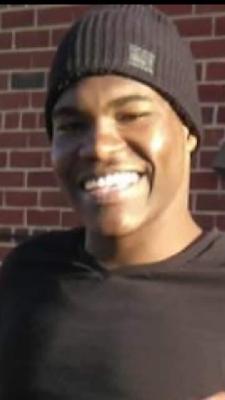
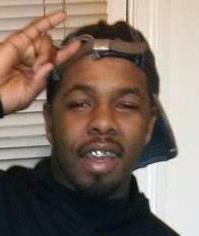
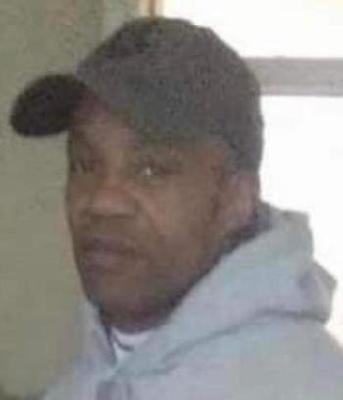
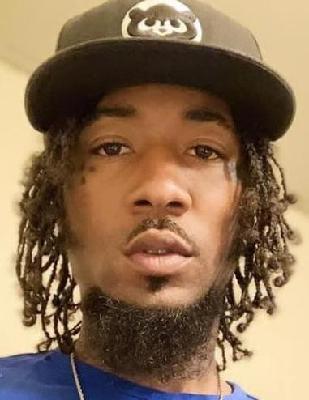
Jasmon S. Jiggetts, a 28-year-old father of five known affectionately to his loved ones as "Timmy," was a man with a clear vision for his future and a deep love for his family. Born on August 10, 1980, Jasmon was a twin who had graduated from Northwestern High School in Baltimore. He was actively working to build a better life for his children by attending Tesst College with the goal of becoming a licensed electrician. His family remembers him as a devoted and vibrant man with a passion for swimming. It was a skill he eagerly shared, taking it upon himself to teach his entire family, including his young daughters, how to swim. He was also an avid fan of both football and basketball.
The promise of Jasmon's future was violently extinguished on the evening of Wednesday, April 22, 2009. In the 1600 block of East Eager Street, a residential area in the Eastern District of Baltimore, Jasmon was shot multiple times. When officers from the Baltimore Police Department responded to reports of the shooting, they discovered him on the street suffering from grave injuries. Despite the immediate arrival of medical personnel, Jasmon’s wounds were too severe, and he was pronounced dead at the scene of the attack. His death was the 71st homicide recorded in the city of Baltimore that year.
The neighborhood where Jasmon lost his life is a dense urban community of rowhouses that has long contended with the challenges of violent crime. The city of Baltimore as a whole was experiencing a high number of homicides in 2009, and each case presented a unique and difficult puzzle for law enforcement. The streets themselves are often the only witnesses, and investigators must rely on forensic evidence and the willingness of community members to come forward with information.
The investigation into Jasmon's murder was immediately launched by the Baltimore Police Department. Homicide detectives processed the crime scene on East Eager Street, searching for evidence and speaking with potential witnesses. However, despite their efforts, the initial investigation did not lead to any publicly identified suspects or persons of interest. In the many years that have passed since Jasmon was killed, no arrests have been made, and the case has grown cold, leaving a trail of unanswered questions.
For Jasmon's family, the lack of resolution has meant a prolonged and profound state of grief. The loss has been particularly devastating for his twin, who later expressed the unending pain of losing a part of themselves, stating, "Jasmon wasn't just my twin—he was my heart. Life has never been the same since the day he was taken." The silence in his case leaves a permanent void for his five children, who have had to grow up without their father, and for the rest of his family and friends who remember his ambition, his dedication, and his spirit.
More than a decade later, the murder of Jasmon Jiggetts remains an open and unsolved case with the Baltimore Police Department. His story is a painful reminder of the lasting human cost of unsolved violence and the families who are left waiting for answers. Cold case investigators continue to hold out hope that someone with information, no matter how insignificant it may seem, will finally come forward. It is often a single, crucial tip from the public that provides the breakthrough needed to bring a killer to justice and offer some measure of peace to a grieving family.