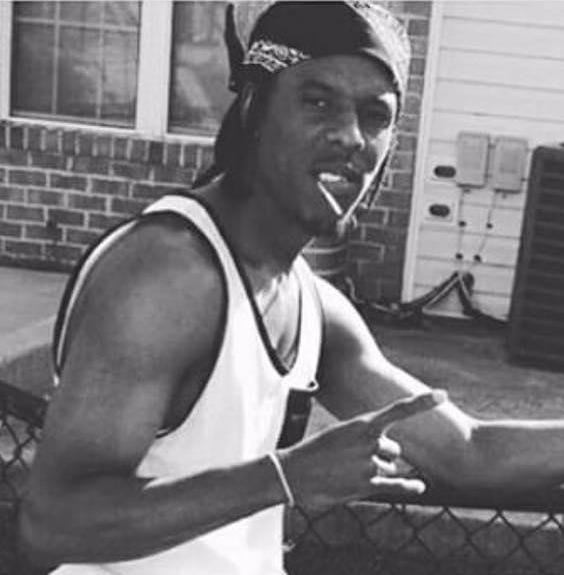
In the predawn darkness of a summer Saturday in Baltimore, the life of David Ezekiel Lumpkins III was brought to a violent and sudden end. On August 22, 2009, at approximately 12:15 a.m., police responded to reports of a shooting in the 600 block of Yale Avenue. This residential street, located in the city's Irvington neighborhood in Southwest Baltimore, became the scene of a tragedy that would leave a young man’s future unrealized and his case unresolved for more than a decade.
When officers from the Baltimore Police Department arrived, they found David, a 20-year-old Black male, suffering from gunshot wounds. Paramedics rushed him to the nearby St. Agnes Hospital, but his injuries proved too severe. Despite the efforts of medical staff, David Ezekiel Lumpkins III was pronounced dead, becoming one of the city's many homicide victims that year. The cause of death was officially ruled a shooting.
The investigation into David's murder was handled by Baltimore Police Department homicide detectives. In the immediate aftermath, authorities processed the scene on Yale Avenue, searching for evidence and seeking witnesses who might have seen or heard something that could lead to a suspect. However, the initial investigation did not result in any publicly announced leads, persons of interest, or arrests. The specific circumstances that led to the shooting have never been released to the public, leaving a void of information about what happened in the moments before David was killed.
As days turned into years, David’s case grew cold. Information about who he was as a person—his family, his passions, his work or schooling, and the memories he created with those who loved him—has not been shared publicly. No obituaries or remembrances are available to offer a glimpse into the life that was lost. His death was one of 238 homicides recorded in Baltimore in 2009, a year marked by persistent violence that touched neighborhoods across the city.
The silence surrounding David's case is a heavy one. Without a suspect ever being named, no charges have been filed, and no one has been held accountable in a court of law for his murder. The case was later noted in a 2018 analysis by The Washington Post that highlighted the large number of unsolved homicides of Black victims in major American cities, including Baltimore. This mention confirmed that, nearly a decade after his death, David's case remained open and unsolved.
As of the latest available information, the murder of David Ezekiel Lumpkins III is still an open investigation with the Baltimore Police Department. There are no known suspects or active leads that have been shared with the public. The fundamental questions of who took his life and why remain unanswered, leaving his loved ones without closure. The investigation continues, and authorities typically urge anyone with information, no matter how insignificant it may seem, to come forward.