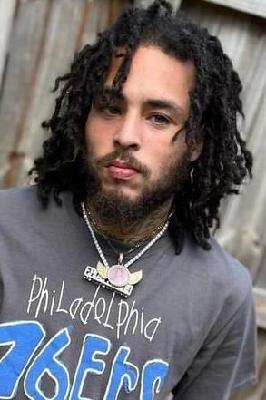
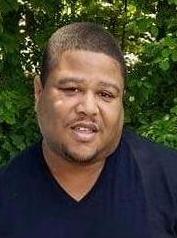
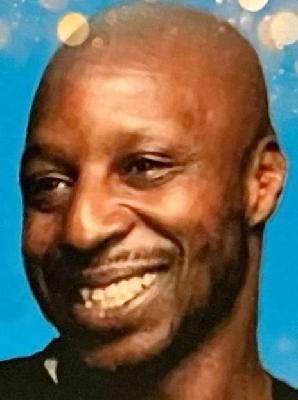
On a Friday evening in West Baltimore, the life of Jamal Laquan Rogers, a 20-year-old Black man, was violently taken. The shooting occurred on March 5, 2010, in the 2100 block of West Fayette Street, a neighborhood that, like many in the city, was grappling with the persistent challenge of street violence. The incident was reported at approximately 7:34 p.m., a time when the day gives way to the uncertainties of the night.
Details about what led to the fatal encounter remain scarce, a painful silence in a case that has remained unsolved for over a decade. Police responded to reports of a shooting and found Jamal with critical gunshot wounds. He was rushed to the Maryland Shock Trauma Center, a place where the city’s most severe injuries are treated, but his life could not be saved. The medical examiner would later confirm that he died from the shooting.
The investigation into Jamal’s murder was handled by the Baltimore Police Department. In the immediate aftermath, detectives would have canvassed the area of the Penrose/Fayette Street Outreach neighborhood, searching for witnesses and physical evidence that could point to a suspect or a motive. However, no arrests were ever made, and the case grew cold, leaving a family without answers and a community with another scar. The reasons behind the targeted attack remain locked away, a secret held by those responsible for his death.
Information about Jamal Laquan Rogers as a person—his family, his passions, his work or schooling, and the memories he created in his two decades of life—is not publicly available. This absence of detail adds another layer of tragedy to his story, leaving only the stark facts of his violent death. He is remembered on lists of the city’s homicide victims, a name and a number among the 223 people who lost their lives to violence in Baltimore that year.
The year 2010 was a difficult one for Baltimore, a period marked by a homicide rate that, while lower than its peak in the 1990s, continued to represent a significant public safety crisis. Each unsolved case, like Jamal’s, contributed to a climate of fear and mistrust, particularly in communities disproportionately affected by such violence. These cases often leave behind a legacy of unresolved grief and the lingering question of when, or if, justice will be served.
More than a decade later, the murder of Jamal Laquan Rogers remains an open investigation on the books of the Baltimore Police Department. His family, and a city that has seen thousands more homicides since his death, are still waiting for a breakthrough. The path to justice often relies on the courage of individuals who may hold a small but crucial piece of information. Without new leads, the void left by Jamal's untimely death continues to be filled only by questions. As of late 2026, his case is still listed as unsolved, a cold case waiting for someone to come forward and speak for a young life cut short.