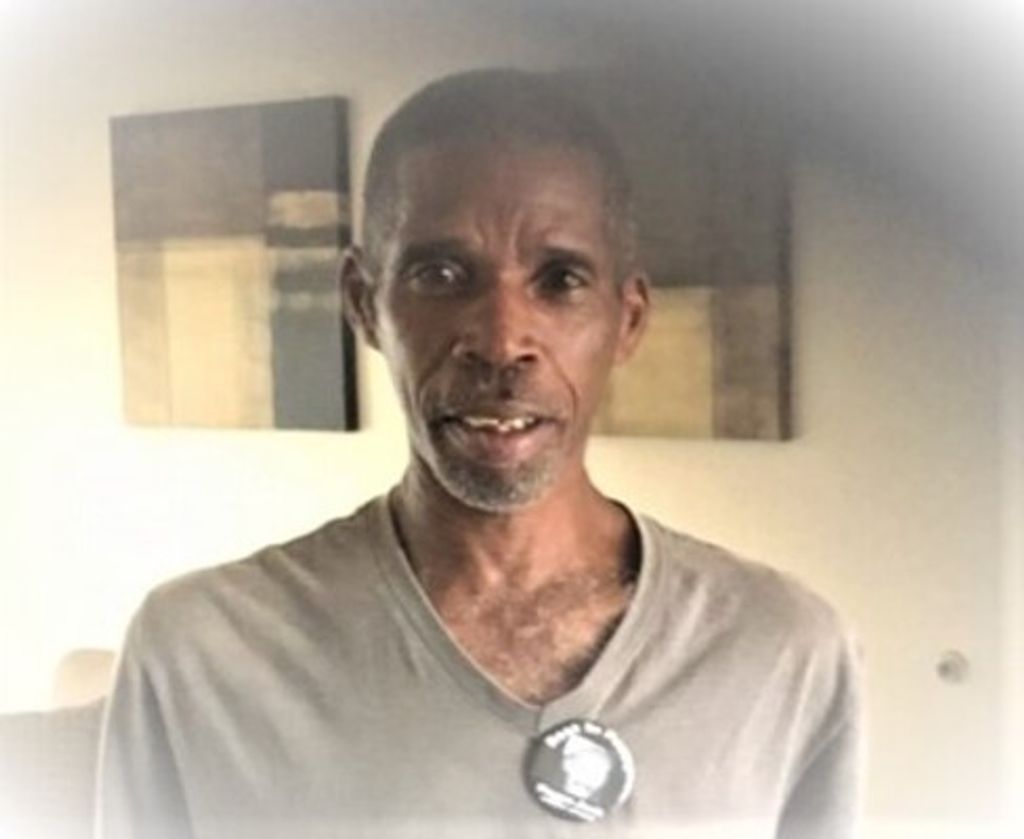
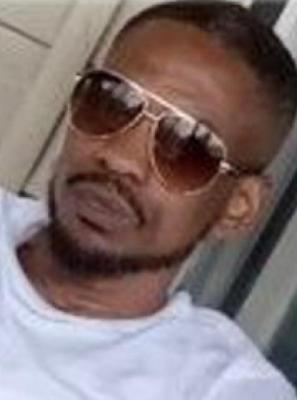
Davon Tramayne Douglas, known to his family by the affectionate nickname “Da-Da,” was a product of the Baltimore City Public Schools and is remembered by his loved ones as a lovable person. His life was brought to a violent end at the age of 28 on the night before Thanksgiving, a time typically reserved for family and gratitude.
On the evening of Wednesday, November 24, 2010, police were called to the 1800 block of Eagle Street in the Carrollton Ridge neighborhood of Southwest Baltimore. The area, characterized by its brick rowhouses, became a crime scene when officers discovered Davon suffering from multiple gunshot wounds. Emergency medical personnel arrived, but his injuries were too severe. Davon, a Black man, was pronounced dead at the scene. His death was the 202nd homicide in Baltimore that year, a grim marker in a city that was struggling with a high rate of violent crime. By the end of the year, the city would record 223 homicides.
The Carrollton Ridge neighborhood, like many in Baltimore, has long faced challenges with crime and violence. The streets are a mix of residential homes and vacant properties, and the community has often been caught in the crossfire of recurring violence. For residents, the sound of gunfire was a distressingly familiar occurrence, but each new tragedy sent fresh waves of fear and grief through the community, leaving families shattered and neighbors on edge.
The investigation into Davon's murder was immediately launched by the Baltimore Police Department's homicide unit. Detectives began the difficult work of piecing together the events that led to the fatal shooting. They canvassed the area around Eagle Street, knocking on doors and searching for anyone who might have seen or heard something that could lead to a suspect. Investigators collected evidence from the scene, hoping to find a clue that would identify the person or people responsible.
Despite their efforts, the investigation quickly hit a wall. No suspects were publicly identified in the immediate aftermath of the shooting, and no arrests were announced in the days and weeks that followed. The flow of information that is often crucial to solving such cases did not materialize, and with no new leads to pursue, the case grew cold. For Davon’s family, the profound grief of their loss was made heavier by the silence and the absence of justice.
More than a decade has passed since Davon Douglas was killed. His case remains an open and unsolved file within the Baltimore Police Department's cold case records. No arrests have ever been made, and no persons of interest have been publicly named. The questions surrounding his final moments on that November night remain unanswered, leaving his family and community still waiting for a resolution that may never come. As of November 2026, the case is unresolved, a painful and lingering wound for all who knew and loved "Da-Da."